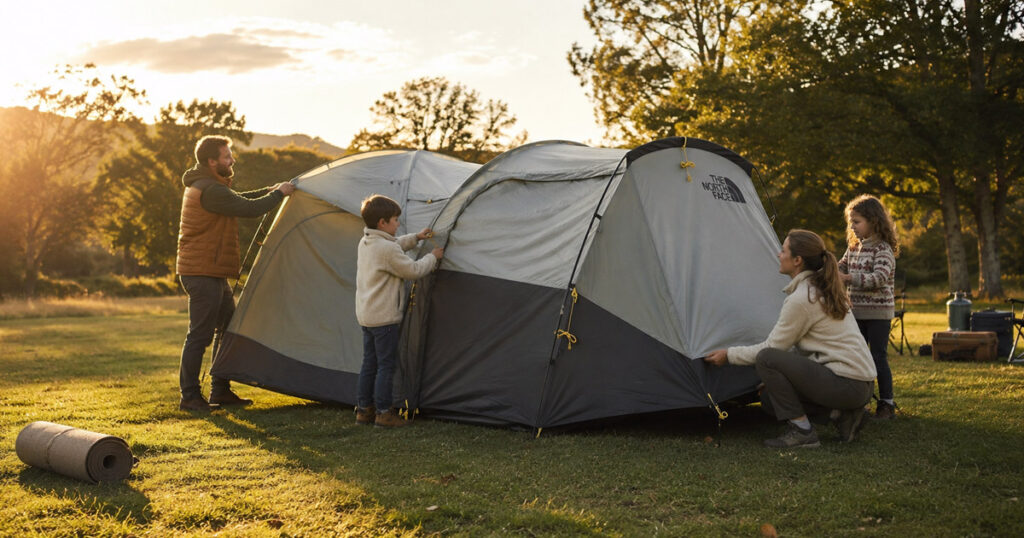
If you need the short answer: the North Face Wawona 6 is the best family camping tent for most people in 2026. It’s spacious, weatherproof, and easy enough to pitch without an argument breaking out. If you’re on a budget, the Coleman Sundome 6 gets the job done for under $150. And if you want setup to take five minutes flat, look at the Gazelle T4 Hub Tent.
We’ve pitched a lot of tents in a lot of backyards (and a few actual campsites) with kids underfoot, asking “are we there yet” before we’d even left the driveway. Here’s what we’d actually buy.
Quick Top 3 Picks
- Best Overall: North Face Wawona 6, best balance of space, weather protection, and livability for a family of 4-5
- Best Budget: Coleman Sundome 6, under $150 and genuinely fine for calm-weather weekend trips
- Best Instant Setup: Gazelle T4 Hub Tent, pitches in under 2 minutes, which matters a lot when nap time is non-negotiable
Comparison Table
1. North Face Wawona 6 – Best Overall
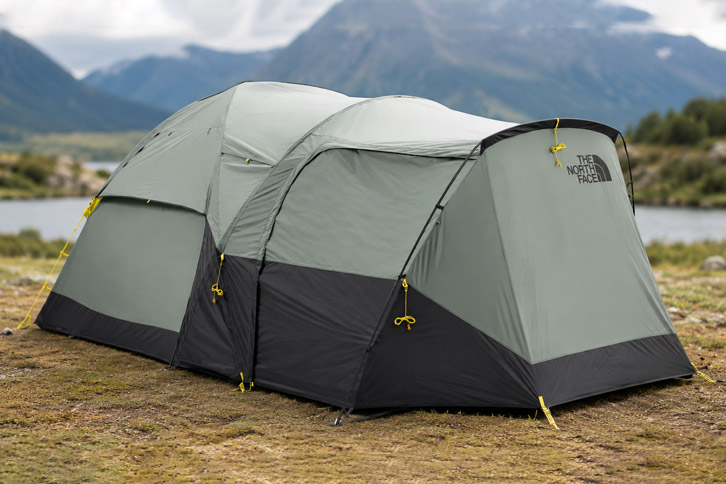
The Wawona 6 shows up at the top of basically every serious tent test we’ve seen this year, and it earns it. The vestibule alone is big enough to keep muddy shoes, a stroller, and a cooler out of the rain, which matters more than people expect until they’re the ones tripping over wet sneakers at 6am.
Inside, it comfortably sleeps a family of 4 with room for bags, or fits 2 adults and 2 kids with space left over for the dog. The pole structure holds up well in wind, and the rainfly actually does its job in a downpour, we can’t say that for every tent on this list.
Best for: Families who camp several times a year and want a tent that lasts. Skip it if: you’re only planning one or two trips this year, the price doesn’t make sense for occasional use.
2. REI Co-op Base Camp 6 – Best for Bad Weather
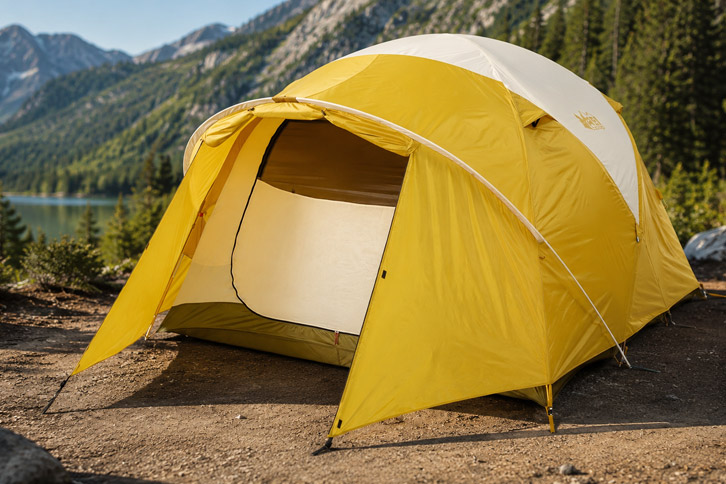
If your trips tend to land on the one rainy weekend of the month (it always happens), the Base Camp 6 is built for it. It’s heavier and bulkier than the Wawona, but the trade-off is a genuinely storm-worthy structure with a steep rainfly and reinforced poles.
Best for: Families camping in fall, early spring, or mountain regions with unpredictable weather. Skip it if: you only camp in summer and want something lighter to carry.
3. Gazelle T4 Hub Tent – Fastest Setup
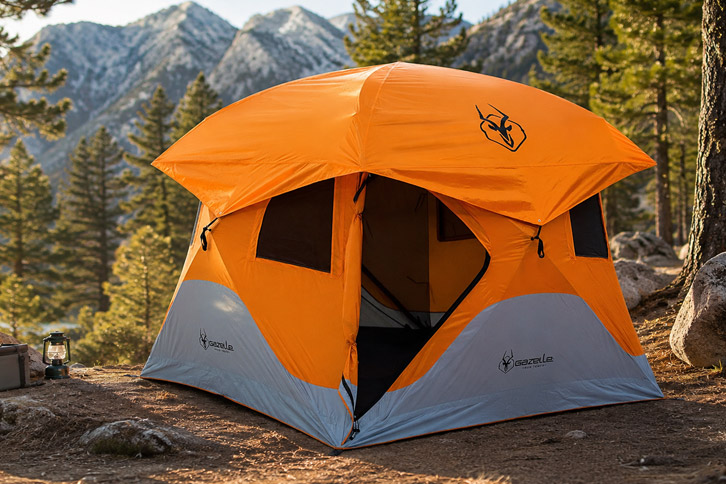
The hub design means you push, the frame locks, done. No matching pole colors, no instructions, no fighting with stakes while someone asks for a snack. It’s not as roomy as the Wawona, but for parents who’d rather be playing with their kids than wrestling a tent, it’s worth the trade-off.
Best for: Parents who want setup done before the kids lose patience. Skip it if: you need maximum interior space for a bigger family.
4. Core Equipment Instant Cabin 9
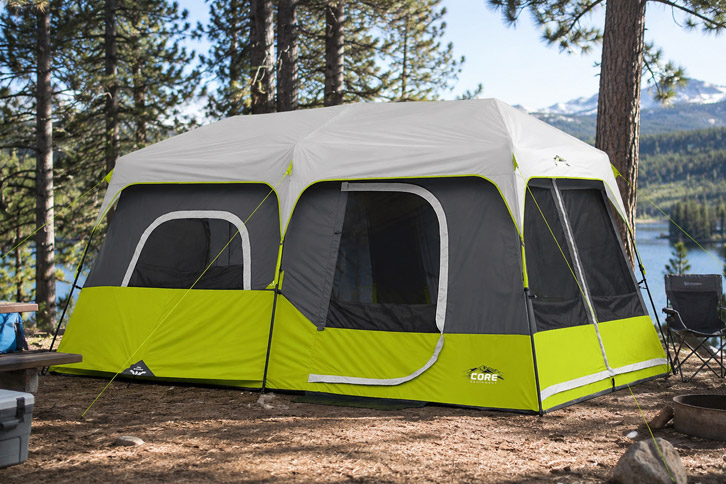
A solid pick for bigger families who still want instant setup. Two rooms with a removable divider means parents can have a little separation from the kids at night, which, speaking from experience, is worth more than any spec sheet.
Best for: Families of 5-6 wanting instant setup without the Gazelle’s higher price. Skip it if: you’re camping somewhere with strong winds; the boxy shape catches more gusts than a dome.
5. Coleman Skydome XL 8
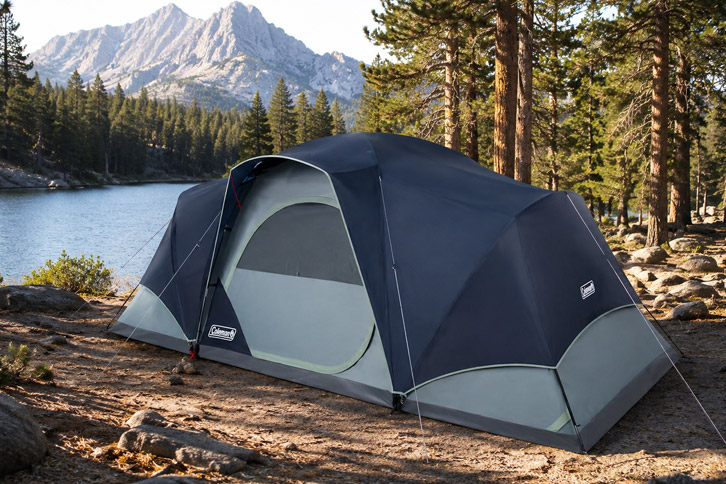
A budget-friendly way to get extra square footage. It won’t survive a serious storm, but for calm summer weekends it holds its own and costs hundreds less than premium options.
Best for: Bigger families on a budget. Skip it if: you’re camping somewhere known for strong wind or heavy rain.
6. Eureka Copper Canyon LX 12
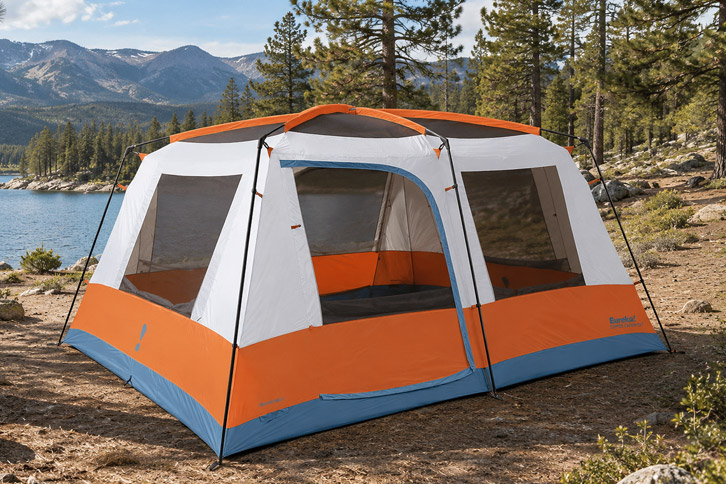
When two families camp together (or you’ve got a big crew), this is the tent that fits everyone under one roof. It’s tall enough to stand in almost anywhere inside, which is a small luxury that makes a big difference on a rainy morning.
Best for: Multi-family trips or larger households. Skip it if: you’re usually camping with just 1-2 kids; this is overkill and a hassle to transport.
7. Marmot Tungsten 4
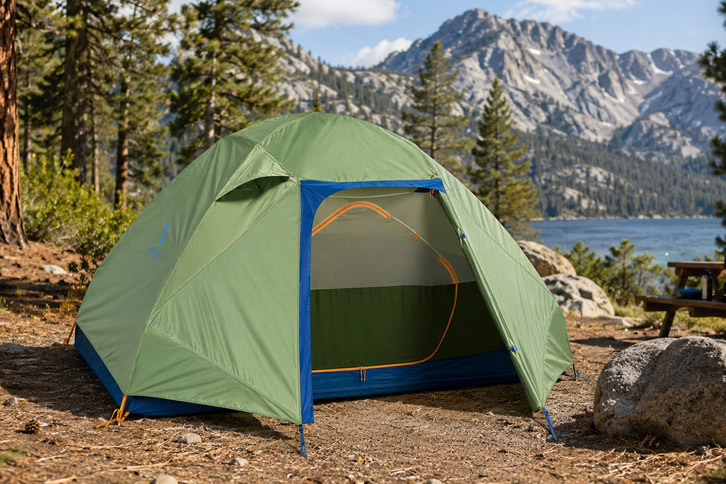
This one leans closer to backpacking-grade quality than the rest of the list, with better materials and craftsmanship. It’s smaller, so it’s not for a big family, but if you’ve got 2 kids and want something that’ll last a decade, it earns its price tag.
Best for: Smaller families who want backpacking-tent durability in a car-camping size. Skip it if: you need to sleep more than 4 comfortably.
8. Coleman Dark Room 10P
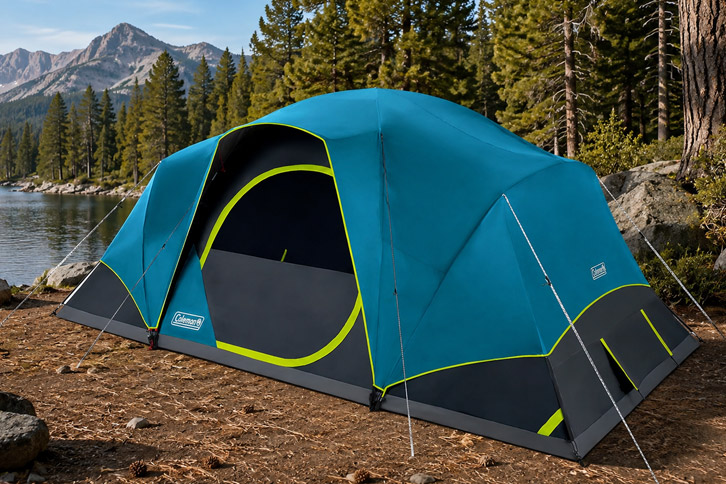
This tent’s whole pitch is the blackout fabric, and it delivers. It’s not the most weatherproof option in a real storm, but for calm summer trips where the sun comes up at 5:30am, it’s a game-changer for anyone with small kids.
Best for: Families with early-rising kids camping in calm weather. Skip it if: you’re expecting high winds or heavy rain.
9. Coleman Sundome 6 – Best Budget
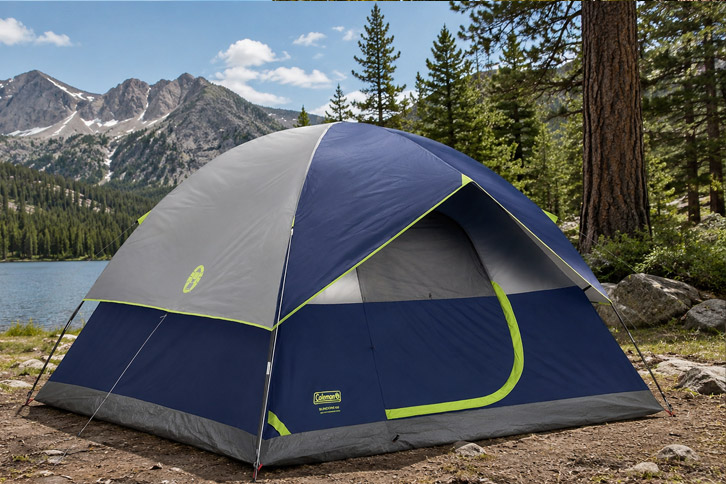
At just over $100, this is the tent we’d recommend to a friend trying camping for the first time without committing to a big purchase. It’s not fancy, and it won’t hold up to a real storm, but for a calm-weather weekend with the kids, it does exactly what it needs to.
Best for: First-time campers and tight budgets. Skip it if: you’re heading somewhere with unpredictable weather or plan to camp often, it won’t last as long as pricier options.
Buying Guide: What to Look for in a Family Camping Tent
Size: Buy Bigger Than You Think You Need
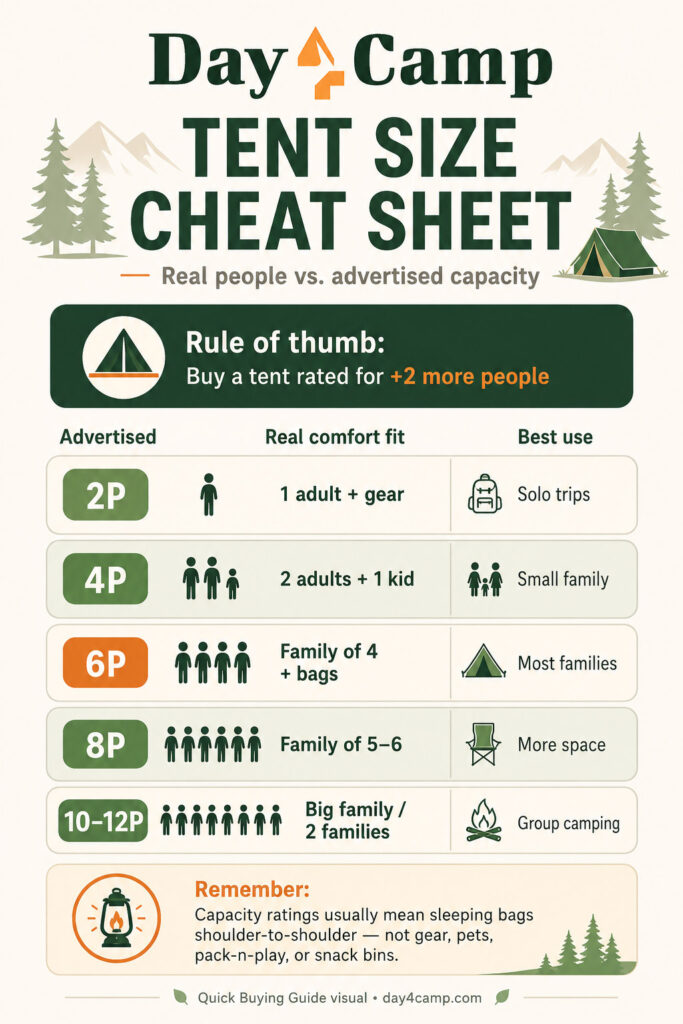
Tent capacity ratings assume everyone is shoulder-to-shoulder with no gear inside. For real family camping, size up by 2 people from your actual headcount. A family of 4 is usually happiest in a 6-person tent.
Weather Rating
Most family tents are designed for 3-season use (spring, summer, fall) in calm-to-moderate weather. If you’re camping somewhere with real wind or storms, look for a tent specifically marketed for weather resistance, like the REI Base Camp 6, rather than a budget dome.
Setup Time
If you’re camping with toddlers, setup speed matters more than most spec sheets let on. Instant and hub-style tents (Gazelle, Core Equipment) can be up in 1-2 minutes. Traditional pole tents (Wawona, Base Camp) take 10-20 minutes but usually offer better weather protection in return.
Ventilation
Mesh panels and ceiling vents keep condensation down and stop the inside of the tent from turning into a sauna. More mesh is generally better in summer, but check that it can be covered for cold nights.
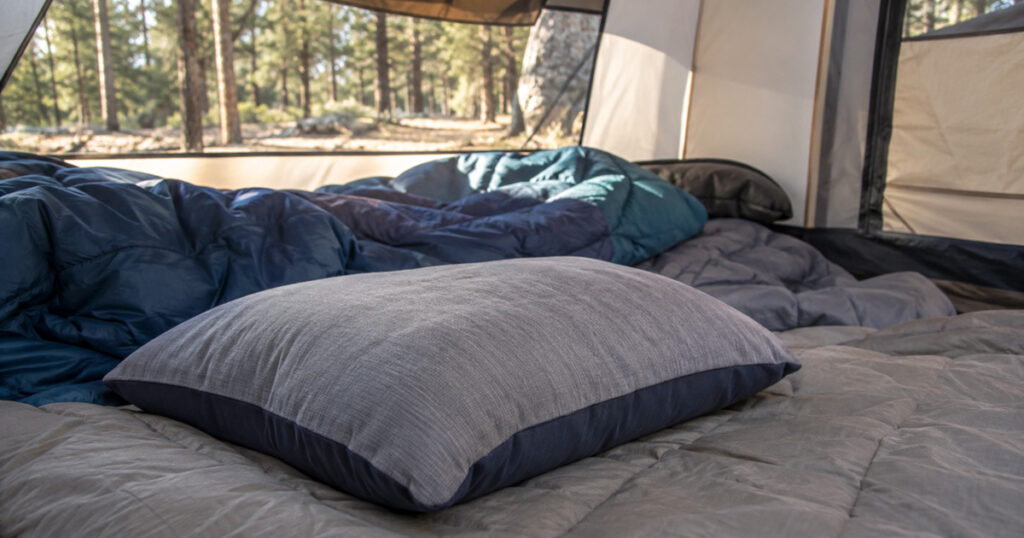
📋 Need a place to actually sleep in that tent? Check out our guide to the: 7 Best Sleeping Bags for Family CampingFinal Verdict
Best Overall: The North Face Wawona 6 balances space, weather protection, and durability better than anything else on this list.
Best Budget: The Coleman Sundome 6 is the easiest “yes” for a first camping trip without a big financial commitment.
Best for Bad Weather: The REI Base Camp 6 is the one we’d trust on a trip where the forecast looks iffy.
If you only read one section of this guide, read this: the Wawona 6 is the tent we’d buy for our own family. It costs more upfront, but it’ll outlast two or three budget tents and keep you dry when it actually matters. Skip it only if you’re testing the waters with your first trip, grab the Sundome 6 instead.
Check Price on Amazon →Frequently Asked Questions About Best Family Camping Tents
What size tent do I need for a family of 4?
Go with a 6-person tent. It gives you room for sleeping bags, gear, and a little breathing space without anyone feeling cramped.
How much should I spend on a family camping tent?
Budget tents start around $100-150 and work fine for occasional, calm-weather trips. If you camp several times a year or face unpredictable weather, a $250-400 tent like the Wawona 6 or Base Camp 6 will last much longer and perform better.
Are instant tents worth it for families with kids?
Yes, especially with toddlers in tow. Instant and hub tents like the Gazelle T4 or Core Equipment Instant Cabin set up in 1-2 minutes, which means less time wrestling poles and more time keeping an eye on your kids.
Can a 6-person tent really fit a family of 6?
Technically, but it’ll be tight with zero room for gear. If your family of 6 wants comfort, go up to an 8 or 9-person tent.
Do I need a footprint (ground tarp) under my tent?
Yes. A footprint protects the tent floor from rocks and moisture, and it extends the life of the tent significantly. Most aren’t included and need to be bought separately.
What’s the difference between a 3-season and 4-season tent?
3-season tents (most family tents, including everything on this list) are built for spring, summer, and fall in moderate weather. 4-season tents are heavier, sturdier, and designed for snow loads and high winds, overkill for typical family camping.