If you need the short answer: Sawyer Premium Picaridin Insect Repellent is the best all-around bug spray for family camping in 2026. It skips DEET, won’t melt your tent zippers or pack straps, and is labeled safe for kids 2 months and older. If you’re on a tight budget, OFF! Deep Woods VIII Dry gives you classic DEET protection for under $7. And if you’ve got a baby or toddler along, California Baby Natural Bug Repellent Spray is the gentler pick made for young skin.
We learned the hard way that “just spray everyone with whatever’s in the garage” isn’t a plan. One trip, our youngest ended up with a DEET-soaked sock stuck to a melted flip-flop, and another trip we found a tick on our oldest three days after we got home because nobody treated the actual clothes.
A good bug spray strategy is really two things: the right repellent for each family member’s age, and a plan for ticks that goes beyond spray. Here’s what we’d actually pack, based on what’s working right now and what the latest camping safety guidance for families recommends.
Quick Top 3 Picks
- Best Overall: Sawyer Premium Picaridin Insect Repellent, 12-hour protection against mosquitoes and ticks, gear-safe, low odor
- Best Budget: OFF! Deep Woods VIII Dry, reliable 25% DEET protection for under $7
- Best for Babies & Toddlers: California Baby Natural Bug Repellent Spray, no DEET or picaridin, formulated for young skin
Comparison Table
1. Sawyer Premium Picaridin Insect Repellent – Best Overall
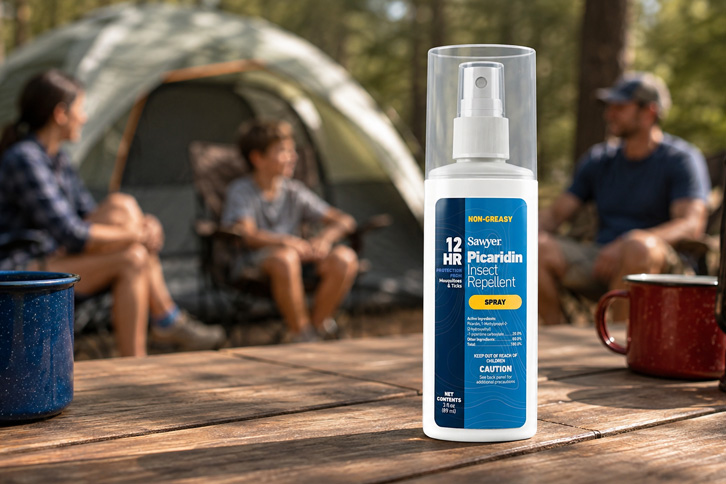
This is the spray that lives in our camp box year-round. The 20% picaridin formula protects against mosquitoes, ticks, chiggers, and biting flies for up to 12 hours per the label, which usually means one application actually gets your family through a full evening at the campsite.
Unlike DEET, picaridin won’t eat through tent fabric, pack straps, or that expensive rain jacket you just bought. It’s also low-odor and doesn’t leave the greasy film that makes some kids refuse to let you spray them a second time.
Best for: Families who want strong, all-around protection without the downsides of DEET. Skip it if: you need the absolute cheapest option and don’t mind the tradeoffs, grab the OFF! Deep Woods instead.
2. OFF! Deep Woods VIII Dry – Best Budget
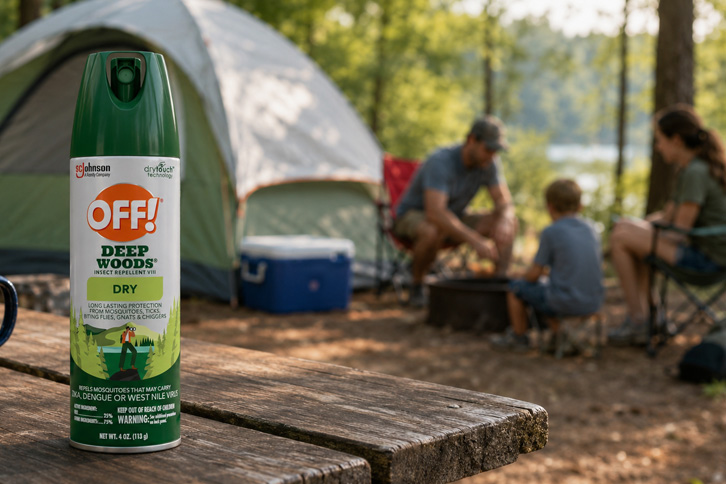
Sometimes you just need reliable, classic bug spray without overthinking it, and 25% DEET is still the gold standard for that. This dry formula skips the sticky, wet feeling you get from older aerosol sprays, so it’s easier to talk kids into standing still for it.
It’s the option you can grab at nearly any grocery store or gas station when you realize halfway to the campground that you forgot to pack repellent.
Best for: Budget-conscious trips in areas with heavy mosquito pressure. Skip it if: you’d rather avoid DEET around young kids, the Sawyer Picaridin is the better everyday pick.
3. California Baby Natural Bug Repellent Spray – Best for Babies & Toddlers
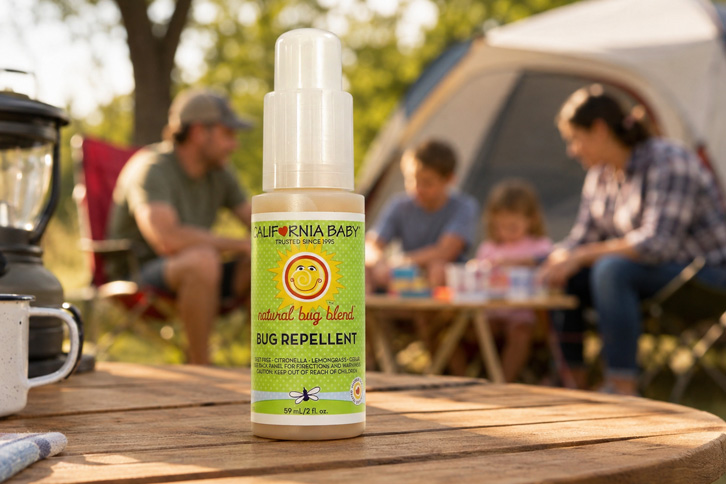
Citronella and lemongrass essential oils do the work here instead of DEET or picaridin, which matters if you’d rather keep synthetic repellents off very young skin. It smells pleasant enough that it doesn’t turn the inside of your tent into a chemical cloud.
It won’t out-perform DEET in a mosquito-heavy swamp at dusk, but for a toddler playing near the campsite during the day, it’s a solid, gentler layer of protection.
Best for: Babies 2 months and older, and toddlers with sensitive skin. Skip it if: you’re heading somewhere with serious mosquito or tick activity, pair it with permethrin-treated clothing instead of relying on this alone.
4. Ranger Ready Picaridin Repellent – Best for Older Kids & Teens
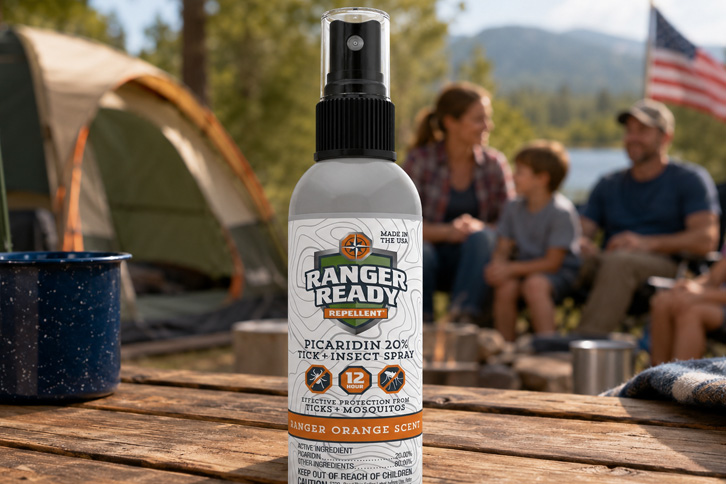
This one’s built for kids old enough to apply their own spray and pick up on how it feels. The fragrance-free, moisturizing formula doesn’t leave the sticky residue that makes some teens refuse to reapply, and 20% picaridin still delivers a full 12 hours of labeled protection.
It also layers fine under sunscreen, which matters on long summer days when both products are getting reapplied more than once.
Best for: Older kids and teens who complain about sticky or strong-smelling spray. Skip it if: you’re outfitting the whole family on a budget, the Sawyer Picaridin does a similar job for less.
5. Sawyer Premium Permethrin Insect Repellent for Clothing & Gear – Best for Tick Prevention
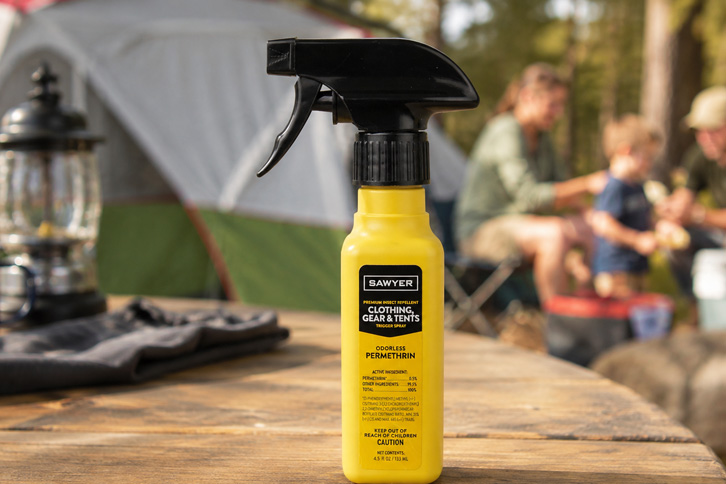
Every product above goes on skin. This one doesn’t, and that’s exactly the point. Permethrin kills ticks on contact and stays active on treated clothes, tents, and sleeping bags through about 6 weeks or 6 washes, which covers most families through an entire camping season.
Treat shoes, socks, and pant cuffs the night before a trip and let everything dry fully before packing it. It’s the single biggest upgrade you can make if you’re camping anywhere with tall grass or wooded trails.
Best for: Any family camping somewhere with tall grass, brush, or wooded trails. Skip it if: you’re only ever camping at a mowed, developed campground with low tick activity.
6. Thermacell EX90 Rechargeable Mosquito Repeller – Best Spray-Free Option
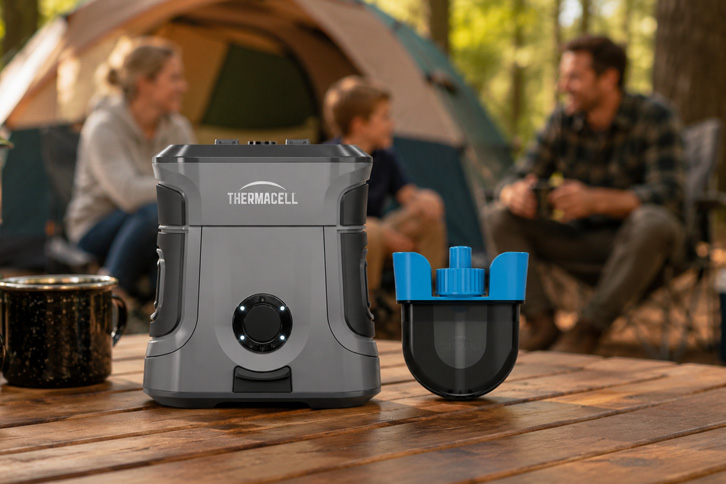
Nobody’s favorite part of camping is chasing a toddler around to spray them down every two hours. The EX90 skips that fight entirely by creating a roughly 20-foot zone of mosquito protection around your picnic table or campsite, with nothing sprayed on anyone’s skin.
It’s rechargeable and built to last multiple seasons, which softens the higher upfront cost over time. If $50 feels steep, the smaller Thermacell MR300 (around $25) does a similar job for a tighter budget.
Best for: Hanging out at the campsite, picnic table, or hammock without reapplying spray on squirmy kids. Skip it if: you need protection while hiking or moving around, it only works in a fixed area.
Buying Guide: How to Choose the Right Bug Spray for Your Family
DEET vs. Picaridin vs. Plant-Based: What Actually Works
DEET has the longest track record and the strongest protection window, but it can damage gear and bothers some kids with its smell. Picaridin performs nearly as well against mosquitoes and ticks, skips the greasy feel, and won’t melt your tent zipper. Plant-based options like citronella work, but for a much shorter window, so they’re better as a light layer for daytime play than your main defense at dusk.
How Much Repellent Is Safe for Kids, By Age
For infants under 2 months, skip spray entirely and use a mesh stroller cover or playpen netting instead. From 2 months on, picaridin or DEET up to 30% are both considered appropriate, so the choice mostly comes down to what your kid tolerates better.
📋 If you’re heading out with a baby for the first time, our full guide covers everything else you’ll want packed: Camping with Toddlers: A Survival GuideDon’t Forget Tick Protection
Bug spray on skin handles mosquitoes well, but ticks are a different challenge. They latch onto clothing as you brush past grass or brush, then work their way to skin, so a permethrin-treated wardrobe matters as much as skin repellent.
Pack a basic tick-removal tool alongside your family first aid kit so you’re never digging through a junk drawer if you find one attached.
Applying Repellent the Right Way
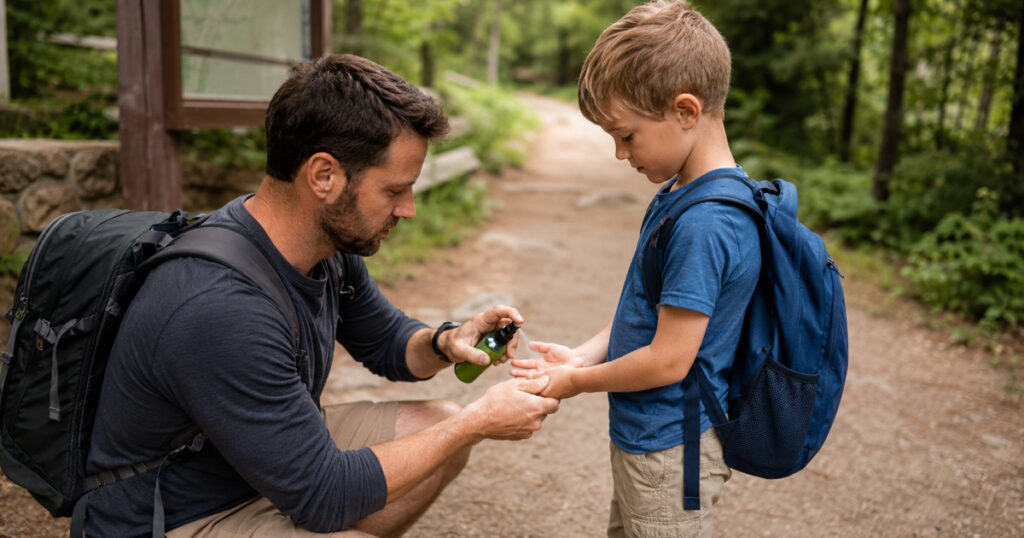
Spray repellent onto your hands and rub it on faces and ears rather than spraying directly, and always wash it off with soap and water once everyone’s back inside for the night.
Planning Around Bug Season
Bug pressure changes a lot by season and location, so it’s worth checking what you’re walking into before you pack. Our summer camping essentials guide and our hiking with kids guide both cover seasonal gear that pairs well with whatever repellent strategy you land on.
Common Mistakes Families Make With Bug Spray
Spraying repellent directly onto a squirming kid’s face is a common one. Spray your hands and apply it manually instead. Skipping clothing treatment entirely is another, since most tick bites happen through gaps in unprotected clothing rather than bare skin. And using leftover repellent from three summers ago is a quiet mistake too. Active ingredients break down over time, so a bottle that’s been sitting in the garage may not perform like it did when it was new.
Final Verdict
Best Overall: The Sawyer Premium Picaridin Insect Repellent delivers strong, all-around protection without the downsides that come with DEET.
Best Budget: The OFF! Deep Woods VIII Dry gets the whole family covered for under $7 a bottle.
Best for Babies & Toddlers: The California Baby Natural Bug Repellent Spray is the gentler choice for young or sensitive skin.
If you only buy one repellent for your family this season, make it this one. It protects against mosquitoes and ticks for up to 12 hours, won’t damage your gear, and is gentle enough for most kids 2 months and older. Skip it only if you’re on a tight budget and don’t mind DEET’s tradeoffs, the OFF! Deep Woods is the cheaper alternative.
Check Price on Amazon →Frequently Asked Questions
Is DEET safe for kids to use while camping?
Yes, in the right concentration. The American Academy of Pediatrics says DEET is safe for kids 2 months and older, with a maximum recommended concentration of 30%. It shouldn’t be used at all on infants under 2 months.
What’s the difference between DEET and picaridin?
Both protect against mosquitoes and ticks for similar lengths of time. DEET has a longer track record but can damage plastics, fabrics, and gear, and has a stronger smell. Picaridin performs comparably, feels less greasy, and won’t damage synthetic materials.
Can I use natural bug spray on my baby?
Plant-based repellents like citronella can be used on babies over 2 months old, but no repellent, natural or otherwise, is recommended under 2 months. For very young babies, rely on mesh stroller covers or playpen netting instead of spray.
How do I protect my family against ticks while camping?
Treat clothes, shoes, and gear with a permethrin spray before your trip, since most tick bites happen through gaps in clothing rather than bare skin. Pair that with a skin repellent and a nightly tick check for everyone in the family.
Can I use bug spray and sunscreen together?
Yes, but apply them separately rather than relying on a combo product. Put sunscreen on first and let it absorb, then apply repellent on top, since sunscreen needs reapplying far more often than repellent does.
Does the Thermacell actually keep mosquitoes away?
Yes, within its coverage area of roughly 20 feet. It works well for stationary spots like a picnic table or campsite, but it won’t protect you while hiking or moving around away from the unit.