

Skip to content
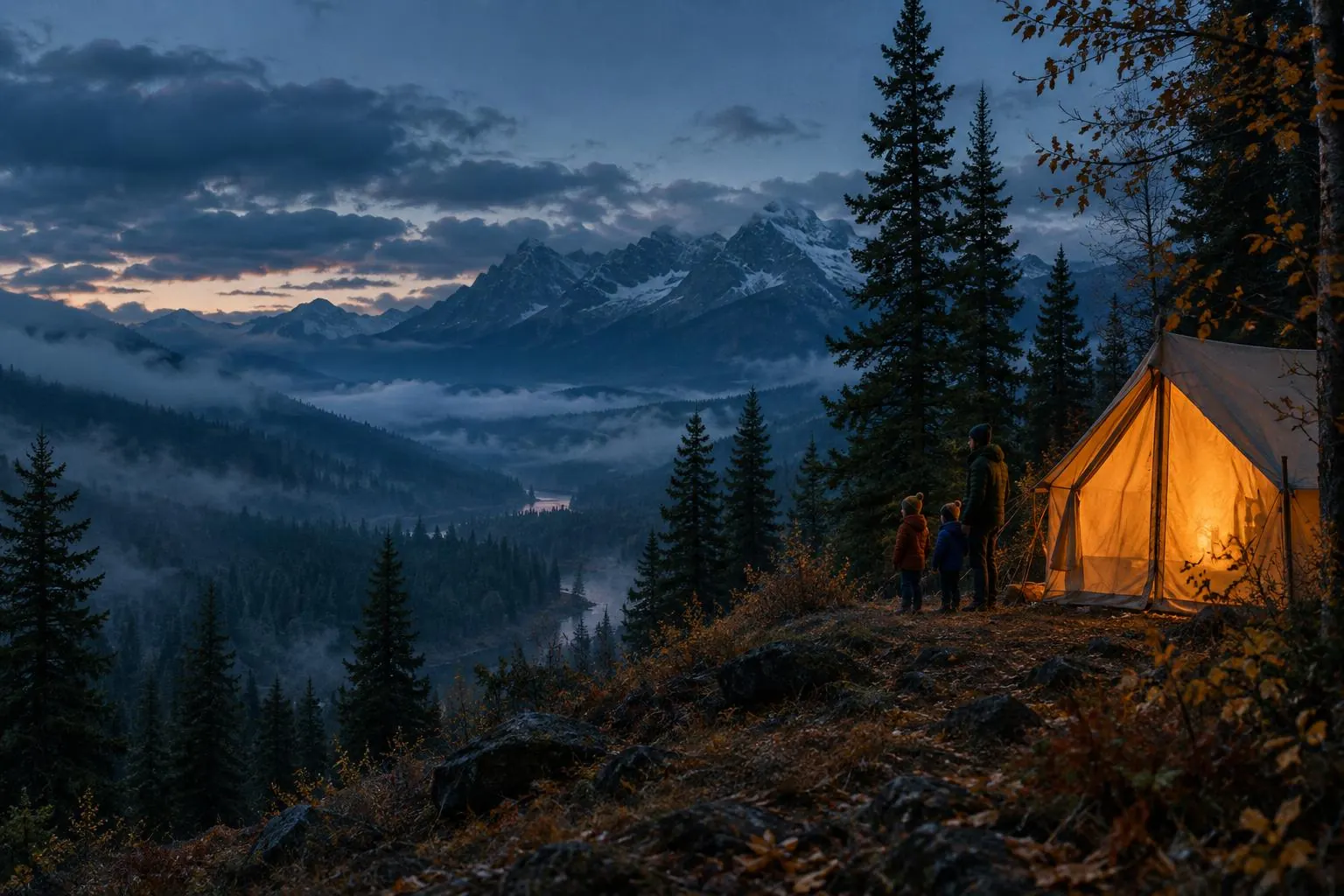
Family tent glowing at dusk at a cold campsite

Home  /  Heat & Cool  /  Electric tent heaters

Electric tent heaters: when they make sense, and 3 picks

Day4Camp earns a commission from qualifying purchases, at no extra cost to you. How we choose.

Updated

How we picked these

How we choose

All three are sold for indoor use. None is made for a tent, and no maker here says it is.

We compared maker specifications and safety features, and read the CDC, NFPA and CPSC rules.

We did not test these. If that changes, the page will say so.

How we choose
ProductBest forPowerSafety featuresPrice
Lasko 754201 Ceramic Heater Best overall 120V outlet, up to 1,500WTip-over switch, overheat protection, ETL certified Check price on Amazon
Teioe M7 Mini Ceramic Heater Lowest power draw 120V outlet, 400W or 800WTip-over and overheat protection, 8-hour shutoff Check price on Amazon
Amazon Basics Ceramic Heater Best budget 120V outlet, 900W or 1,500WTip-over and overheat protection Check price on Amazon
Lasko 754201 Ceramic Heater Best overall
RESEARCHED

Lasko 754201 Ceramic Heater

This is the one to look at first if you have a safe outlet close by. The listing says it is ETL certified and lists a tip-over switch, overheat protection and a cool-touch case. It has two heat settings plus fan only, and Lasko lists a 3-year limited warranty.

Who it's for

Families in a cabin or a dry, solid shelter with an outlet within reach of the cord.

Who should skip it

Tent campers without a safe, dry outlet nearby. Also skip it on a power station unless yours is sized for 1,500 watts.

What owners praise

We did not find enough detailed owner feedback to summarize fairly. Read the newest reviews on the product page before you buy.

What owners complain about

We did not find enough detailed owner feedback to summarize fairly. Read the newest reviews on the product page before you buy.

Check price on Amazon
Teioe M7 Mini Ceramic Heater Lowest power draw
RESEARCHED

Teioe M7 Mini Ceramic Heater

The lower draw is the reason to pick this one. At 400 or 800 watts it asks much less of your power source than a 1,500-watt heater, and the maker lists tip-over and overheat protection and an 8-hour automatic shutoff. It is small and gives modest heat. The maker lists a coverage of about 50 to 100 square feet, and the cord is only 3.3 feet long.

Who it's for

One or two people warming a small space while awake, with an outlet right next to the heater.

Who should skip it

Anyone hoping to warm a large family tent. The listing we read also does not mention a safety lab certification, so look for one on the label before you buy.

What owners praise

We did not find enough detailed owner feedback to summarize fairly. Read the newest reviews on the product page before you buy.
What owners complain about

We did not find enough detailed owner feedback to summarize fairly. Read the newest reviews on the product page before you buy.

Check price on Amazon
Amazon Basics Ceramic Heater Best budget
RESEARCHED

Amazon Basics Ceramic Heater

This is the plain, budget-friendly choice: high, low and fan only, about 3 pounds, with tip-over and overheat protection. Pay attention to one line in the listing. It says not to use the heater in humid places, and a tent can get damp fast. Keep this one for dry conditions in a solid shelter.

Who it's for

Families who want a simple heater for a dry cabin and do not need extras.

Who should skip it

Anyone camping in rain, heavy dew or a tent with condensation.

What owners praise

We did not find enough detailed owner feedback to summarize fairly. Read the newest reviews on the product page before you buy.

What owners complain about

We did not find enough detailed owner feedback to summarize fairly. Read the newest reviews on the product page before you buy.

Check price on Amazon

Buying guide

Start with the outlet

The CPSC says never to power a portable heater with an extension cord or power strip. That rules out most tent setups, where the campsite outlet is outside and away from the tent. If you cannot plug straight into a safe outlet, skip the heater and improve your sleep setup.

Do the power math

A 1,500-watt heater draws about 12.5 amps. On a 1,000 watt-hour power station, it would run for less than an hour at full power. Lower settings last longer, but give less heat.

Keep it dry

These heaters are sold for indoor use, and a tent can get wet from rain, dew and condensation. If the floor or the outlet is damp, leave the heater off.

Keep the 3-foot rule

The NFPA and the CPSC say to keep heaters at least 3 feet from anything that can burn. In a family tent full of sleeping bags, that is hard to do. Measure before you plug in.

Turn it off to sleep

The CPSC says never to leave a heater running while you are asleep or away from it. Warm the space while everyone is awake, then shut it off and unplug it. Tip-over switches lower some risks, but they do not remove them.

And with kids?

Kids roll around at night, kick off blankets and touch things they should not. That is the main reason we do not suggest any heater running in a tent where children sleep.

Dress them in dry layers, use a bag rated for the cold and do a bathroom trip before bed. If the forecast is too cold for your gear, the safest plan is a cabin or another weekend.

Frequently asked questions

Is an electric heater safe in a tent?

It is safer than a fuel heater on one point: it makes no carbon monoxide. It can still start a fire, and these models are sold for indoor use. The CPSC says to keep heaters 3 feet from anything that can burn, not to use an extension cord and not to run them while you sleep. Most tent setups cannot meet all three.

Can I run an electric heater from a power station?

Only for a short time. A 1,500-watt heater uses a 1,000 watt-hour power station in less than an hour at full power. Check that the station is rated for the heater's wattage before you plug it in.

What should I use instead in a tent?

A good sleeping system: an insulated pad, a bag rated below the night's low and dry layers. The CDC advises bringing enough bedding and clothing rather than relying on fuel-burning heat.

Sources: CPSC: portable heater safety · NFPA: heating safety · CDC: carbon monoxide deaths while camping