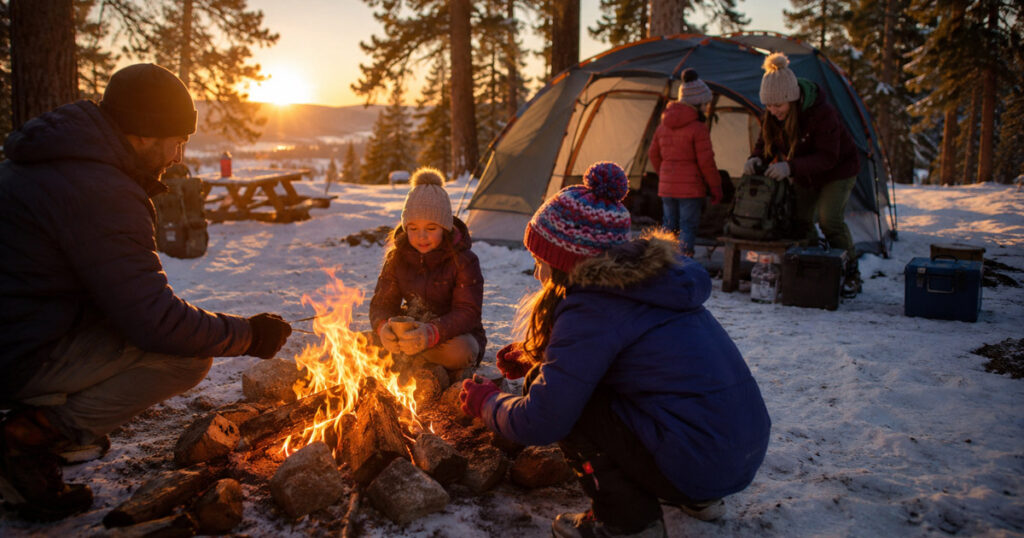
Winter camping with your family is one of the most magical things you can do outdoors. Fewer crowds, crisp air, stars you can actually see, and a campfire that feels like the center of the universe. But pack wrong and it goes from magical to miserable fast.
This checklist is built for families doing car camping or established campground camping in cold weather, not backcountry expedition stuff. Think: camping at 25-40°F, driving to your site, sleeping in a real tent.
We’ve organized it by category so you can pack systematically and not forget the thing that actually matters (looking at you, extra socks).
The Quick Winter Camping Checklist (Printable Summary)
Here’s the fast-scan version. Detailed explanations for each category follow below.
Shelter
- 4-season or winter-rated tent (or 3-season with extra stakes and guylines)
- Extra tent stakes for frozen ground
- Tarp or footprint under tent
- Windbreak or camp screen (optional but worth it)
Sleep System
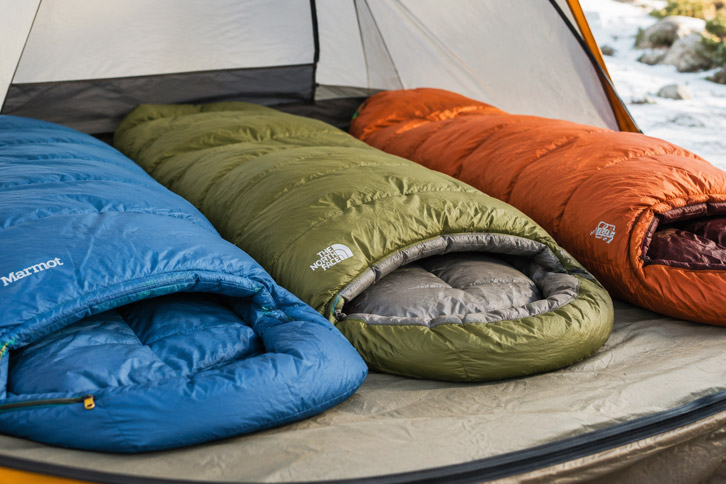
- Sleeping bag rated 10-15°F lower than the expected low temp
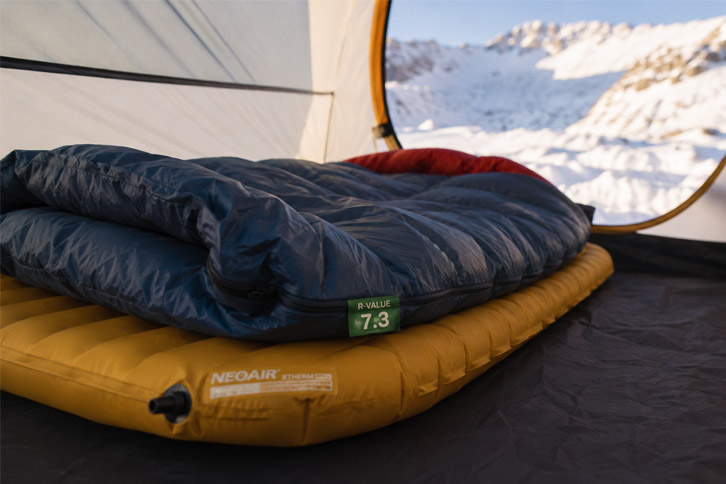
- Insulated sleeping pad (R-value 4 or higher, this is non-negotiable)
- Sleeping bag liner for extra warmth
- Hot water bottle for the foot of the bag
- Kids’ sleeping bags sized correctly (too big = cold spots)
Clothing (per person)
- Moisture-wicking base layer (top and bottom)
- Mid layer: fleece or down jacket
- Outer shell: waterproof jacket + pants
- Insulated, waterproof boots
- Wool or synthetic socks (bring 2 pairs per day minimum)
- Warm hat that covers ears
- Balaclava or neck gaiter
- Insulated gloves or mittens
- Hand warmers (chemical, a few sets per person)
Cooking & Food
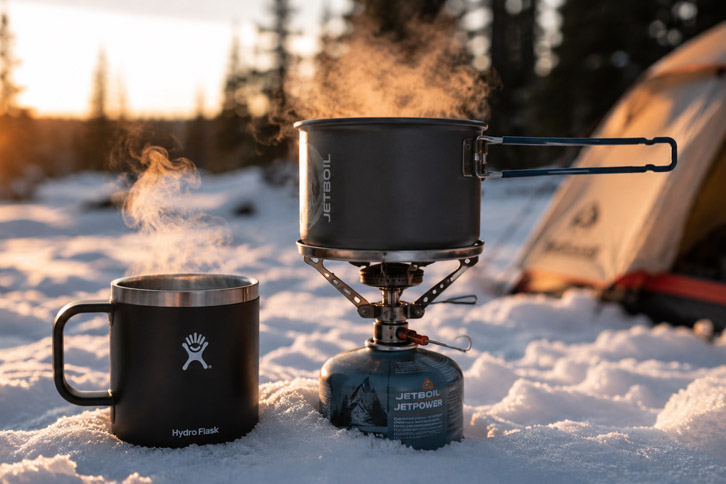
- Camp stove (liquid fuel performs better in cold than canister)
- Extra fuel (cold drains fuel faster)
- Insulated mugs and thermoses
- High-calorie, easy-to-cook meals
- Hot cocoa, instant soups, oatmeal packets
- Bear canister or hang system (check campground rules)
Lighting
- Headlamps for everyone (yes, the kids too)
- Extra batteries (cold kills batteries fast, keep spares in your jacket pocket)
- Lantern for the main camp area
Safety & First Aid
- First aid kit
- Emergency blankets (mylar, at least 2)
- Fire starter kit (waterproof matches + lighter + tinder)
- Whistle
- Know the signs of hypothermia and frostbite before you go
Camp Essentials
- Camp chairs (insulated seat pads make a huge difference)
- Firewood or plan to buy on-site
- Waterproof stuff sacks for gear
- Insulated water bottles (hydration drops in the cold because you don’t feel thirsty)
- Bungee cords and extra rope for securing gear in wind
Shelter: Your First Line of Defense Against Cold
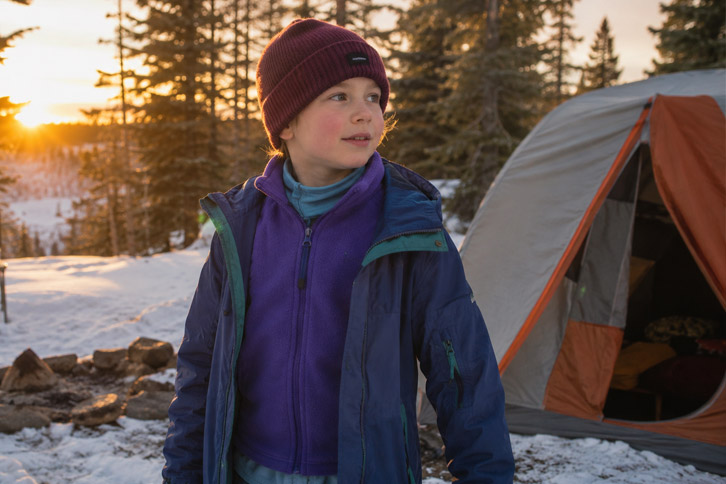
Your tent isn’t just shelter, in winter, it’s a windbreak, a moisture barrier, and the thing keeping everyone alive at 2am.
Most families don’t need a true 4-season mountaineering tent. A quality 3-season tent with a full rainfly, solid guylines, and good staking works fine for car camping at freezing temps. The key is staking it out completely, every guyline, every corner. A tent that flaps all night is a tent losing heat all night.
Set your tent in a spot with natural wind protection, near a tree line, behind a small ridge, or in a hollow. Avoid low points where cold air pools overnight. And point your tent door away from the prevailing wind.
Sleep System: Where Most Families Go Wrong
This is the single most important category on this checklist. Get this right and everything else is manageable.
Sleeping Bags
The rule: your sleeping bag should be rated at least 10-15°F lower than the coldest temperature you expect overnight. If it’s going to hit 28°F, you want a bag rated to 15°F or 10°F. Temperature ratings assume you’re using a sleeping pad, without one, the rating is meaningless.
For kids, fit matters. A sleeping bag that’s too big creates dead air space the kid can’t warm up. Kids’ bags should fit snugly. If your child has outgrown their bag, it’s time for a new one.
Sleeping Pads: The Piece Everyone Forgets
Here’s a fact most first-timers don’t know: the ground steals more heat from your body than the cold air does. A sleeping pad creates a thermal barrier between you and the frozen earth. Without it, even a $300 sleeping bag won’t keep you warm.
For cold-weather camping, look for a sleeping pad with an R-value of 4 or higher. R-value measures insulation, higher numbers mean better protection from ground cold. Stacking two pads (one foam, one inflatable) gives you even more warmth.
The Hot Water Bottle Trick
Fill a water bottle with boiling water right before bed and put it at the foot of your sleeping bag. It radiates heat all night. Kids think it’s the greatest camping hack ever invented. They’re right.
Clothing: The Layering System Explained
Cold-weather camping clothing works in three layers. Each layer has a specific job. Mix and match them based on the conditions.
Layer 1 – Base Layer (moisture management): This is your skin layer. It should be moisture-wicking to move sweat away from your body. Merino wool or synthetic materials like polyester work great. Cotton does not, wet cotton loses its insulating ability and can actually make you colder. No cotton base layers in winter, ever.
Layer 2 – Mid Layer (insulation): This keeps you warm. A fleece jacket or a down vest/jacket works well. Down is warmer for the weight, but loses insulation when wet. Synthetic insulation keeps you warmer when damp, better for active kids who might get sweaty.
Layer 3 – Outer Shell (wind and water protection): This blocks wind and repels moisture. A waterproof, breathable jacket is ideal. Hardshell for truly wet conditions; softshell if it’s dry and cold.
Extremities Matter Most
You lose heat fastest through your head, hands, and feet. Make sure each family member has:
- A warm hat that covers their ears (or a balaclava for really cold nights)
- Gloves with grip, mittens are warmer but harder for kids to use
- Insulated, waterproof boots rated for the temperatures you’ll see
Cooking & Food: Fueling Up for Cold Temps
Your body burns significantly more calories in cold weather just to maintain its core temperature. Plan for bigger meals and more frequent snacking than you would in summer.
Stove Fuel in Cold Weather
Canister stoves (the kind that screw onto isobutane canisters) lose pressure and efficiency as temperatures drop below 32°F. For winter camping, a liquid-fuel stove like the MSR WhisperLite runs reliably in sub-freezing temps. If you’re using a canister stove, warm it in your jacket pocket before igniting.
Hydration in Cold Weather
People underestimate how dehydrated they get in cold weather because they don’t feel thirsty. Insulated water bottles keep water liquid (a regular bottle can freeze solid overnight). Drinking warm liquids, hot cocoa, broth, tea, helps keep core temperature up and keeps the family happier in general.
Keep water bottles inside your sleeping bag or tent at night to prevent freezing.
Lighting: The Nights Are Longer in Winter
In December, it gets dark by 4:30pm in many parts of the US. You’ll need more light, for longer, than any summer trip.
Every family member gets a headlamp, kids included. It keeps their hands free for eating, helping set up camp, and warding off imaginary wolves. Cold temperatures drain batteries quickly, so keep a set of spares in your jacket pocket where they stay warm.
Safety: What Every Family Needs to Know
Winter camping introduces a few specific risks that aren’t an issue in summer. You don’t need to be scared of them, just aware and prepared.
Hypothermia Basics
Hypothermia happens when your core body temperature drops dangerously low. Early signs include shivering, confusion, slurred speech, and clumsiness. If anyone in your group shows these signs, get them warm immediately, dry clothes, sleeping bag, warm liquids. It escalates quickly, especially in children.
The prevention is simple: stay dry, stay fed, and change out of wet clothes immediately. Wet gear in cold weather is the main cause of hypothermia in family campers.
Frostbite Awareness
Frostbite affects exposed extremities, fingers, toes, nose, ears. Signs include numbness, white or grayish skin, and a waxy texture. If you see these signs, warm the area gradually (don’t rub it) and seek medical help.
Fire Safety in Winter
A campfire is your most important comfort tool in cold weather. Keep it burning as long as regulations allow and keep all combustibles away from it. Never bring a camp stove, fire, or burning materials inside your tent for warmth, carbon monoxide poisoning is a real and serious risk.
What to Pack for Kids Specifically
Kids need all the same categories as adults, plus a few extras:
- Chemical hand warmers: Shake-activated ones are safe, easy, and kids love them. Tuck one in each glove and one in each boot.
- Extra dry clothes: Kids will get wet. Plan for it. Pack at least one full extra outfit per kid per day.
- Warm PJs: Fleece footie pajamas or heavyweight thermal sets keep little bodies warm all night.
- A small stuff animal or comfort item: Familiar things matter more when the environment is unfamiliar (and cold and dark).
- Snacks on demand: Keep snacks accessible. Hungry kids = cold kids = miserable trip.
The Night Before Your Winter Trip: Final Checklist
The day before you leave, run through this quick final check:
- [ ] Check the forecast one more time, conditions can change fast
- [ ] Confirm campground is open for winter camping (many have seasonal closures)
- [ ] Charge all electronics, batteries, and headlamps
- [ ] Pre-warm boots by leaving them somewhere warm overnight (cold boots = cold feet from the start)
- [ ] Pack a day bag for quick access to snacks, water, and warm layers during the drive
- [ ] Tell someone where you’re going and when you’ll be back
Gear Recommendations by Category
Here’s a quick reference for the gear worth investing in for winter camping:
Frequently Asked Questions
What temperature is too cold for camping with kids?
Most experienced family campers draw the line around 20°F for camping with young children. Below that, the margin for error with gear and clothing gets thin. Between 20°F and 40°F is very doable with the right sleep system, a sleeping bag rated for the low temp and a high R-value sleeping pad are non-negotiable.
What’s the most important item on a winter camping checklist?
Your sleeping pad, specifically its R-value. Most people focus on the sleeping bag, but the ground steals heat faster than the cold air. A sleeping pad with an R-value of at least 4 creates the thermal barrier that makes your sleeping bag actually work. Without it, even an expensive bag won’t keep you warm.
Can I use my regular summer tent for winter camping?
Yes, with caveats. A good 3-season tent with a full rainfly, staked out completely with all guylines, works for car camping in cold weather down to about 20-25°F. What it won’t do well: handle heavy snow load or very high winds. For most family campers at established campgrounds, a 3-season tent is fine. Just pitch it thoughtfully, out of the wind, not in a cold air depression.
How do I keep my kids warm while camping in cold weather?
The three biggest factors: a properly fitting, well-rated sleeping bag (not too big), a high R-value sleeping pad underneath them, and dry clothes before bed. Kids lose body heat faster than adults, so add one extra layer compared to what you’re wearing. Chemical hand warmers in their gloves and boots make a huge practical difference. And make sure they eat enough, a well-fed kid is a warmer kid.
What food should I bring for winter camping?
Focus on high-calorie, easy-to-cook options. Your body burns more calories in the cold, so this isn’t the time for light meals. Breakfast: oatmeal, eggs, bacon. Lunch: peanut butter wraps, cheese crackers, trail mix. Dinner: chili, pasta, freeze-dried meals. Hot drinks, cocoa, broth, tea, are as important for morale as for warmth.
What’s the difference between a 3-season and 4-season tent for winter camping?
A 4-season tent has heavier poles, stronger fabrics, fewer mesh panels, and a design that can shed heavy snow loads. It’s built for backcountry winter expeditions and high-altitude camping. For most families doing car camping at established campgrounds in cold weather, a quality 3-season tent, pitched properly and staked out fully, is adequate and much more affordable.