Short answer: pre-chill your cooler, use block ice instead of cubes, pack it completely full, keep the lid closed, store it in the shade, and don’t drain the melted water. Do all six and a decent cooler holds ice for 5 days. Skip even two of them and you’ll be drinking warm juice by day two.
We learned most of these the hard way, usually because someone (often a kid, sometimes an adult) left the cooler open while digging for a specific juice box. Here’s exactly what actually works, plus the family-specific mistakes that drain ice faster than anything else.
Quick Reference: What Actually Works
1. Pre-Chill Your Cooler Before You Pack It
A cooler that’s been sitting in a hot garage or trunk absorbs that heat, and your ice spends its first few hours fighting that instead of staying frozen. A few hours before you pack, toss in a bag of ice or a few frozen water bottles and let the inside cool down first.
If you’re pressed for time, even 30 minutes with the lid open in a cool spot helps. This is the single most skipped step, mostly because it requires planning ahead, which isn’t always realistic with kids in the mix.
2. Use Block Ice, Not Just Cubes
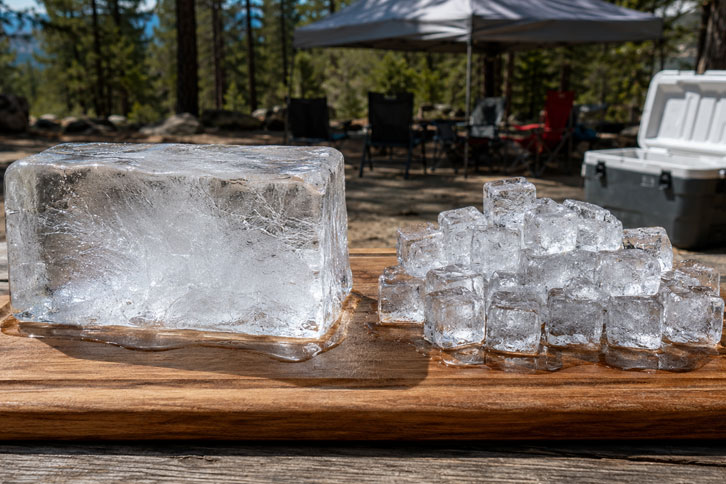
Block ice melts slower than cubes because it has less surface area exposed to warm air. For anything longer than an overnight trip, block ice should be your base layer, with cubes added on top only to fill gaps and cool drinks fast.
No store-bought block ice nearby? Regular cubes still work fine for a weekend trip, just expect to top them off by day two or three.
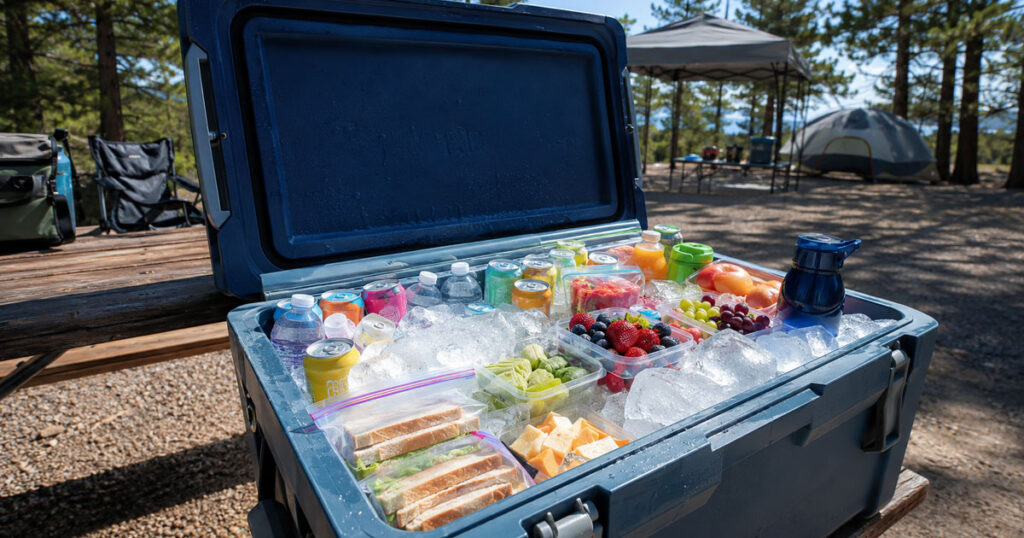
3. Pack It Completely Full
Empty air space inside a cooler is exactly what your ice has to cool first, before it can even start protecting your food. A packed cooler holds cold far longer than a half-empty one, so fill any gaps with extra ice, frozen water bottles, or even a rolled-up towel.
As you eat through the food, keep repacking to close up new gaps instead of letting the cooler get airier over time.
4. Keep the Lid Closed as Much as Possible
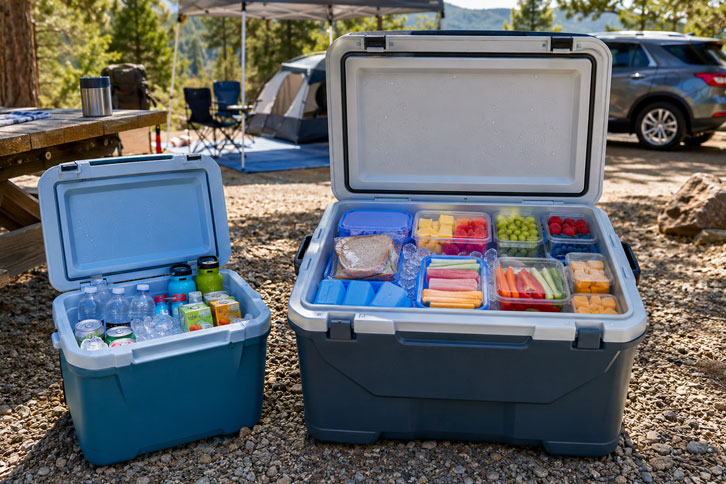
This is the one that trips up families specifically. Every open-and-close lets warm air rush in, and kids tend to open a cooler to grab one juice box at a time, all day long. That adds up to a lot of warm air exposure compared to how adults typically use a cooler.
The fix is simple: pack drinks and snacks into a separate small cooler or soft-sided bag that lives outside the main cooler. Kids can dig through that one as much as they want, and your main food cooler stays closed except at meal times.
5. Store It in the Shade
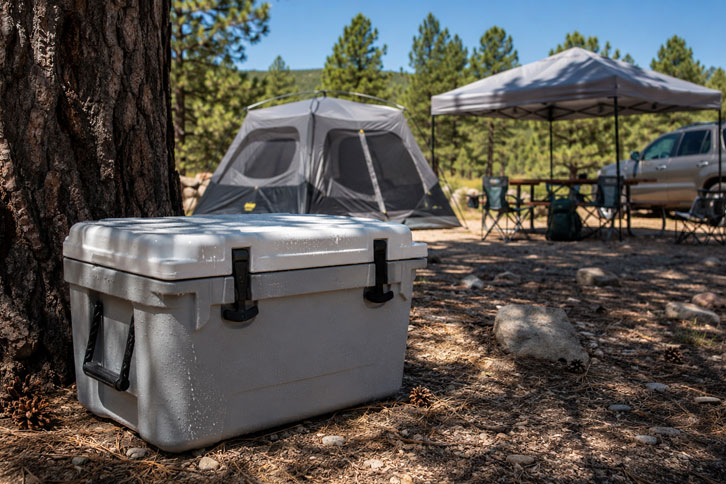
Direct sun heats up a cooler’s exterior, and that heat works its way in over time no matter how good the insulation is. Set up camp with the cooler under a tree, tarp, or canopy, and elevate it off hot surfaces like pavement or sand if you can.
If there’s genuinely no shade anywhere, drape a light-colored towel or blanket over the cooler. Light colors reflect heat better than dark ones, which matters more than people expect.
6. Don’t Drain the Melted Water (With One Exception)
It feels counterintuitive, but the cold water sitting in the bottom of your cooler actually helps insulate whatever ice is left. Draining it exposes your remaining ice to more air and speeds up melting. Only drain it if you need the space for more ice or you’re storing something that can’t get wet.
7. Try Dry Ice for Long or Hot-Weather Trips
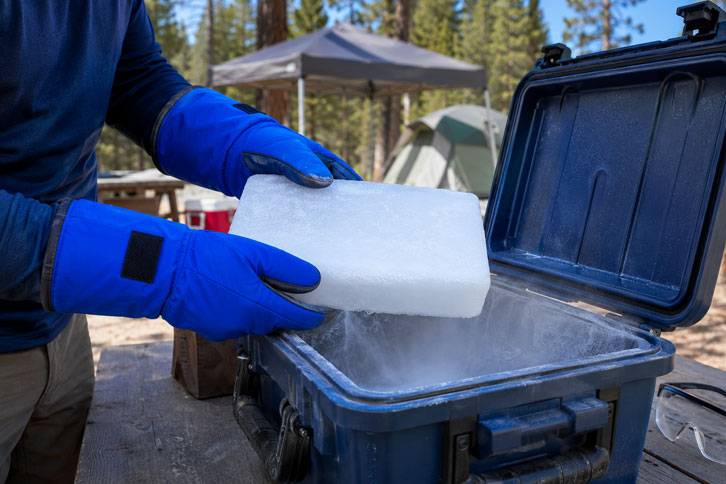
Dry ice runs at around -109°F and lasts far longer than regular ice, which makes it a good option for trips longer than 4-5 days or when you specifically need food to stay frozen, not just cold. It’s not compatible with every cooler, so check your cooler’s specs before buying any.
If that sounds like more risk than your trip needs, skip it entirely. Block ice plus good packing habits gets most families to 4-5 days without any dry ice involved.
8. Upgrade to a High-Performance Cooler If You Camp Often
Technique gets you most of the way there, but the cooler itself still matters, especially for trips longer than a weekend. A high-performance cooler with thick insulation and a real gasket seal will out-perform a basic cooler using the exact same packing method.
YETI Tundra 45
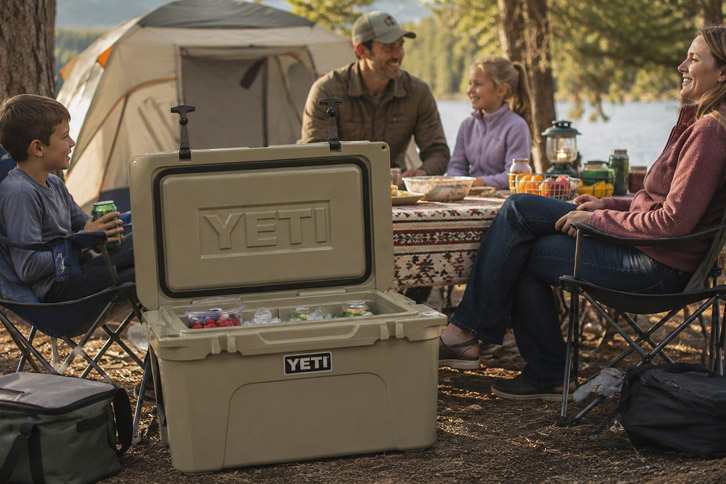
This is the cooler we’d point a family toward if they camp more than a few times a year. Combined with the techniques above, it realistically holds ice for 5+ days, and it’s sturdy enough to double as a bench when the folding chairs run out.
Coleman Xtreme 5 Day Cooler
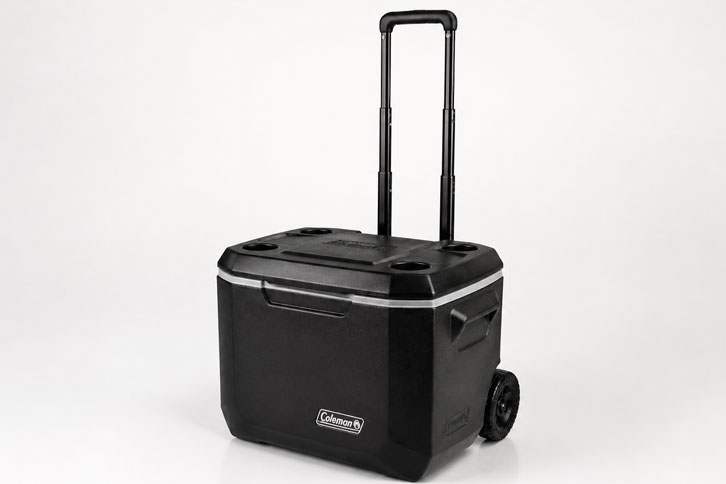
If a premium cooler isn’t in the budget yet, this one still gets real results. Using the same techniques above, it holds ice for a genuine 3-4 days, which covers almost any weekend trip, for a fraction of the price of the Tundra.
Common Mistakes That Melt Ice Faster
Opening the cooler constantly. This is the number one ice-killer for families specifically. Pack a separate drinks cooler for grazing throughout the day so the main food cooler stays closed.
Skipping the pre-chill. Loading ice into a warm cooler wastes a huge chunk of its cooling power just bringing the interior down to temperature.
Using only cubed ice on a multi-day trip. Cubes are convenient but they’re not built for anything longer than a weekend. Mix in block ice for longer trips.
Leaving the cooler in direct sun “just for an hour.” That hour adds up fast, especially in summer heat. Shade it even during short breaks.
Next Steps
Once your cooler game is dialed in, the rest of your hot-weather kit falls into place fast. Check out our full summer camping essentials guide for the other gear that makes a real difference on hot trips, or read our family camping safety tips if you’re heading somewhere without much natural shade.
Frequently Asked Questions
How long will ice really last in a cooler while camping?
With good technique (pre-chilled, block ice, packed full, kept shaded and closed), a quality cooler can hold ice 5+ days. A basic cooler using the same techniques usually gets 3-4 days. Without any of these habits, even a good cooler can lose most of its ice in a day or two.
Is block ice or cube ice better for camping?
Block ice lasts longer because it has less surface area exposed to warm air, making it the better choice for trips longer than a weekend. Cubed ice cools drinks faster and is easier to find, so it’s a fine choice for short trips or as a supplement on top of block ice.
Can I use dry ice in a regular cooler?
Not all coolers are rated for it, so check your cooler’s specs first. If it is compatible, dry ice needs to be handled with gloves, stored away from kids entirely, and used in a well-ventilated space since it releases CO2 gas as it sublimates.
Should I drain the water out of my cooler?
Generally no. The cold meltwater helps insulate whatever ice is left, so draining it early actually speeds up melting. Only drain it if you’re short on space for more ice or storing something that needs to stay dry.
What’s the cheapest way to keep ice from melting?
Pre-chilling the cooler, using homemade block ice (frozen water in a clean jug), packing it full, and keeping it in the shade cost nothing extra and make a bigger difference than any product you could buy.
How often should I open the cooler to keep ice longer?
As little as possible. Pack a separate small cooler or soft bag for drinks and snacks that kids can grab from all day, so the main food cooler only opens at meal times.