Your kids want to go camping. You want a good night’s sleep. Glamping might be exactly the compromise your family has been waiting for.
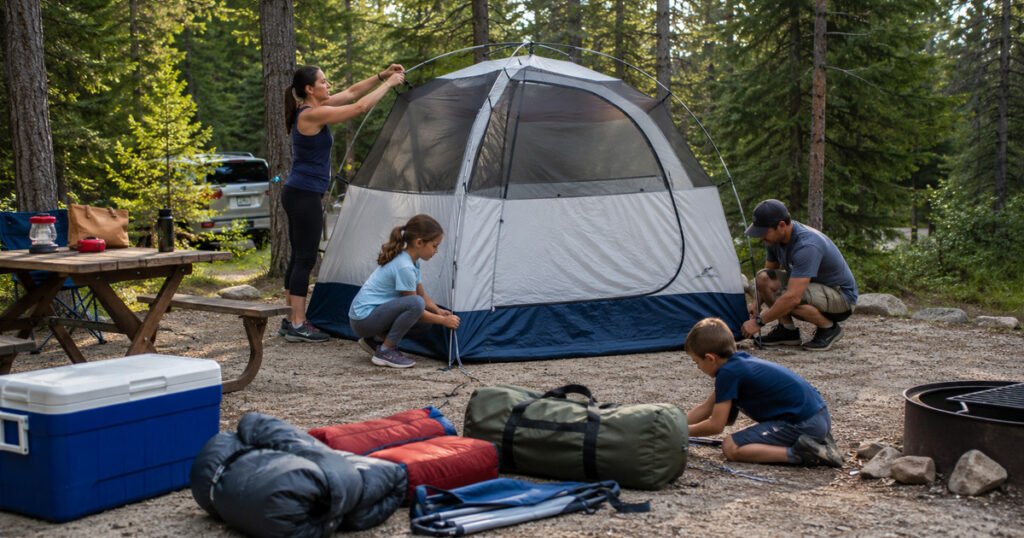
Glamping, short for “glamorous camping”, gives you the campfire, the starry skies, and the fresh air, without the part where you’re wrestling a tent at 8pm while a four-year-old hands you the wrong tent pole. You show up, everything is already set up, and you get to focus on the actual fun.
If you’ve been curious about glamping but aren’t sure what it actually involves, how much it costs, or whether it’s right for your family, this guide breaks it all down. No fluff, no jargon, just what you actually need to know.
What Is Glamping, Exactly?
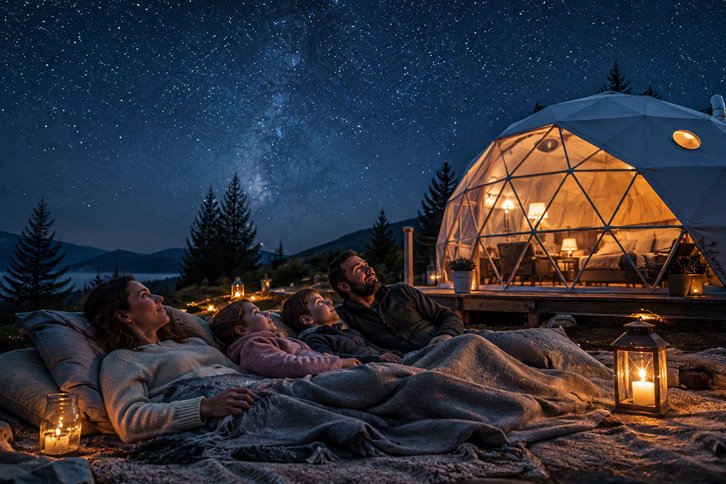
Glamping is camping where someone else handles the setup, and then adds a real bed, lighting, and sometimes a private bathroom.
Instead of a regular tent you bring from home, you stay in a pre-furnished structure: a yurt, safari tent, treehouse cabin, Airstream trailer, or a geodesic dome with a wood stove and twinkle lights. The campsite (or glamping property) provides everything you’d expect from a hotel room, just outdoors.
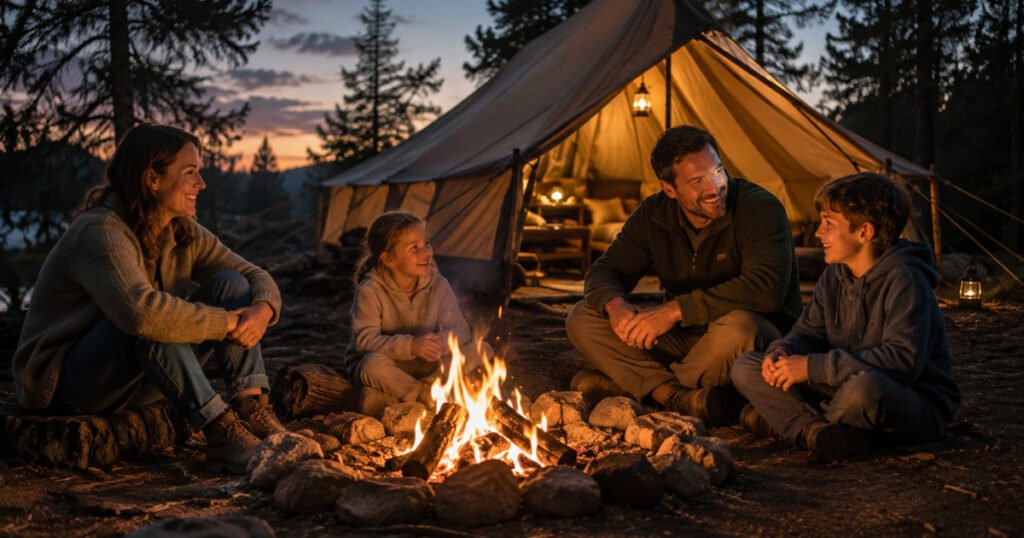
You still get the campfire. You still hike and explore. You still make s’mores. You just don’t have to do it while running on three hours of sleep because the air mattress deflated at midnight.
Types of Glamping Accommodations for Families
Not all glamping is the same. Here’s a quick rundown of the most common styles and which ones tend to work best for families with kids.
Yurts
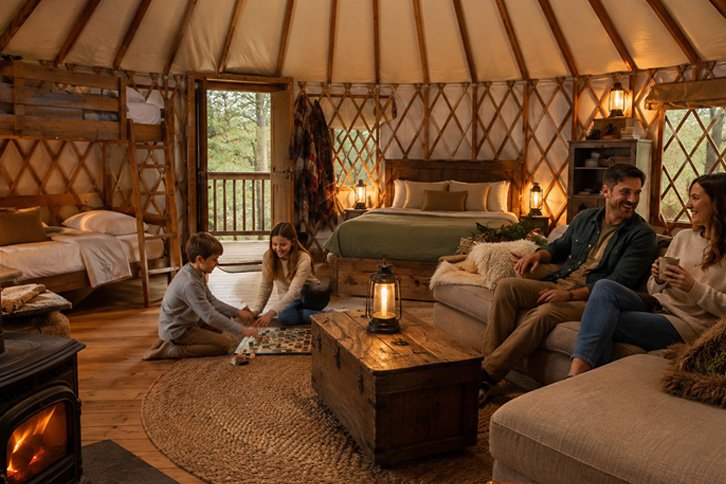
Round, canvas-covered structures with a wooden lattice frame. They’ve been around for centuries, and they’re still one of the most popular glamping options in the US, especially at state parks. Many come with a wood stove, proper beds, and a skylight for stargazing from your sleeping bag.
Yurts are great for families because they’re spacious enough for two adults and two kids, they feel genuinely cozy, and the cylindrical shape fascinates younger children who’ve never seen anything like it.
Safari Tents
These are large canvas tents with high ceilings and a real frame, think “Africa-meets-the-Catskills.” They’re usually furnished with real beds, rugs, and lanterns. Some have ensuite bathrooms or at least a private outdoor shower.
Safari tents are a strong choice for families because the extra headroom means you’re not hunching over, and there’s often space for a small seating area inside.
Treehouse Cabins
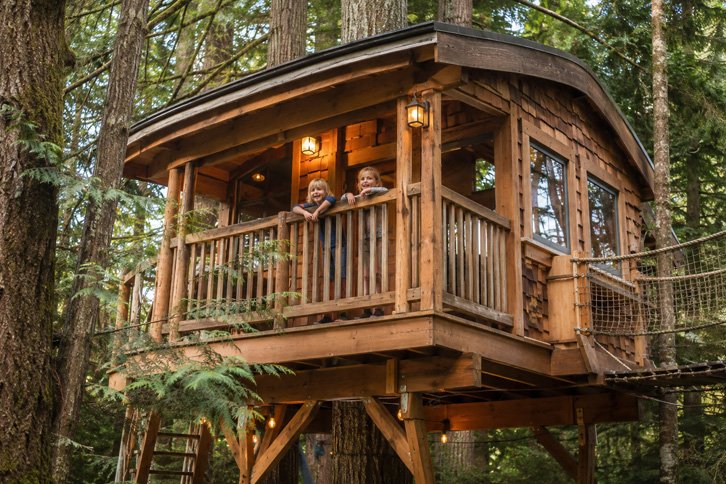
Kids lose their minds for treehouses. Full stop. Treehouse glamping ranges from basic elevated platforms to full-on cabins with a kitchen, bathroom, and zip-line access. If you have kids between ages 6 and 14, this will be the trip they talk about for years.
One thing to check: most tree houses have stairs or ladders, which may not work for toddlers or kids who are fearful of heights.
Airstream Trailers
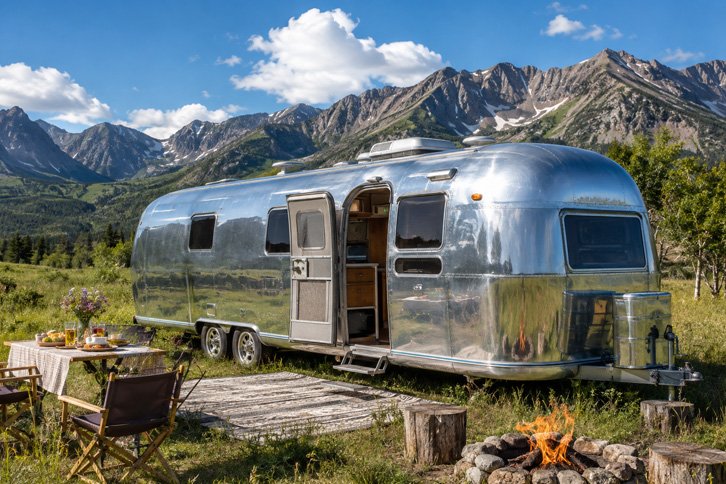
The classic silver bullet. Vintage or modern Airstreams parked in scenic locations, fully outfitted with a real bathroom, kitchenette, and comfortable sleeping areas. They feel like a quirky little home, and the novelty factor is real, even teenagers tend to think they’re cool.
The downside: most Airstreams are compact. A family of four fits, but it’ll feel cozy. Check the number of beds before booking.
Geodesic Domes
Transparent or semi-transparent dome-shaped structures, usually with a panoramic view of the sky. You literally sleep under the stars. Some come with hot tubs, which is an easy way to become the best parent of the year.
Domes can be magical but are often on the pricier end. Also check the insulation, cheaper domes can get very hot in summer and very cold in fall.
Cabins
The most traditional glamping option. A furnished cabin in a campground or on private land, with a bed, heat, electricity, and often a private fire pit or deck. Less “wow factor” than a dome or treehouse, but extremely practical for families with babies or toddlers who need a reliable, contained space.
Glamping vs. Regular Camping: Which Is Right for Your Family?
This is the question most parents actually have, so let’s be direct.
Glamping is probably the better choice if:
- Your kids are under 5 or you’re camping with a baby
- Someone in the family has a health condition that makes sleeping on the ground difficult
- You’ve never camped before and want to ease into it
- You want to guarantee a solid night of sleep (because a well-rested parent is a better camping parent)
- You’re traveling with grandparents or extended family who want nature without roughing it
Traditional camping might be the better fit if:
- You want to save money, glamping consistently costs more per night
- You want the flexibility to move campsites or travel between locations
- Your kids are older (8+) and excited about building skills like fire-starting or tent setup
- The “doing it yourself” feeling is part of the point for your family
There’s no wrong answer. Some families glamp for a few years while kids are small, then transition to tent camping once everyone’s old enough to pitch in. Others glamp exclusively and love it. Both produce great camping memories.
How Much Does Glamping Cost?
Glamping prices vary widely depending on the type of accommodation, location, and season. Here’s a rough range:
- Budget glamping (state park yurts, basic cabins): $50–$120/night
- Mid-range glamping (safari tents, Airstreams, furnished treehouses): $150–$300/night
- Premium glamping (luxury domes, high-end treehouses, private hot tubs): $300–$600+/night
For context, a family of four at a mid-range hotel in a popular area costs roughly the same as a mid-range glamping night. The difference is you’re outside with a campfire instead of staring at a parking lot.
If budget is a concern, Hipcamp and state park reservation systems are your best bets for affordable options. Weekday stays and shoulder season (late spring, early fall) are consistently cheaper than weekends and July.
Where to Book Glamping for Families
The best platforms for finding family-friendly glamping in the US:
Hipcamp: Biggest selection of independent glamping properties across the US. Filter by “family-friendly” and “pet-friendly.” Read reviews specifically from families, not just couples.
Glamping Hub: Curated selection with strong listings for unique stays like treehouses and domes. Good search filters.
KOA (Kampgrounds of America): KOA has expanded heavily into glamping cabins. Prices are lower than private glamping, and the kid-amenity game (pools, playgrounds, activities) is unmatched.
State Park Reservation Systems: Every state has its own system (Reserve America is common). Yurts and cabins here book up fast, especially for summer weekends. Book 4–6 months ahead.
What to Pack for a Glamping Trip with Kids
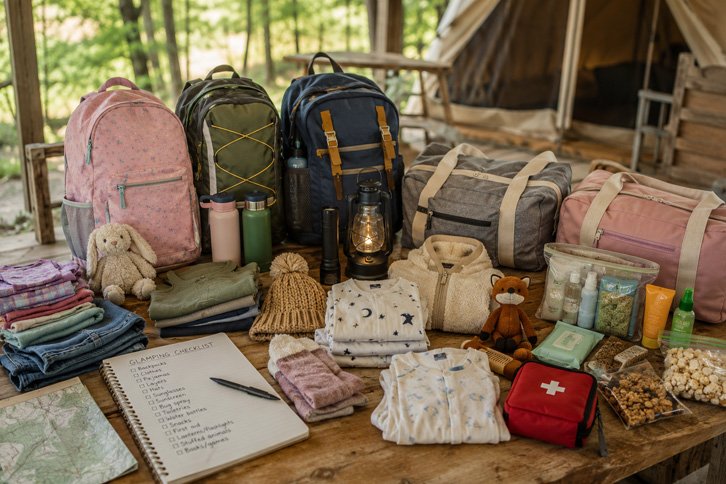
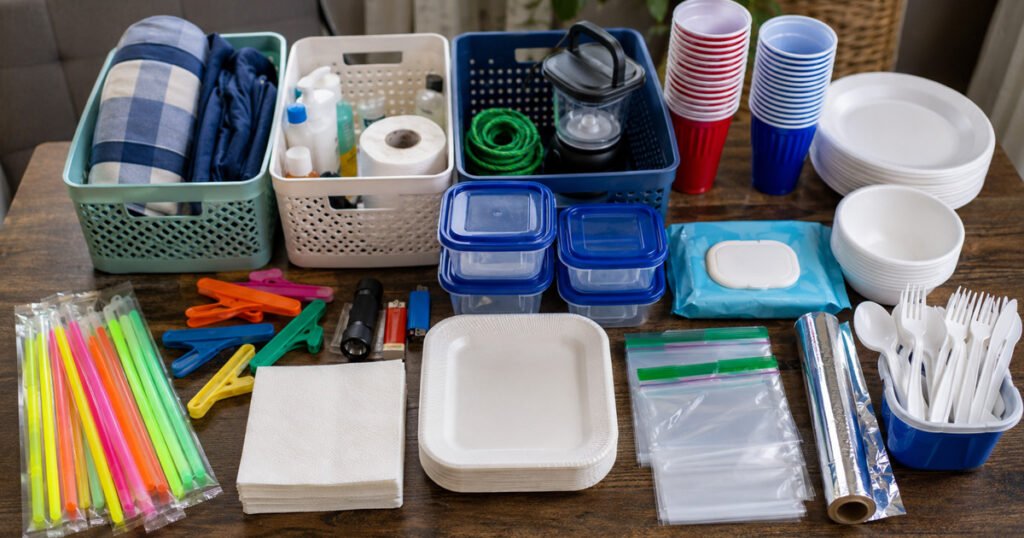
This is the real advantage of glamping: you pack way less than traditional camping. Most structures provide bedding, towels, and basic kitchen supplies. Still, there are things to bring.
Always Pack
- Clothing and layers: Evenings can drop 20°F from the daytime high, even in summer. Pack sweatshirts, long pants, and socks for everyone.
- Toiletries: Shampoo, sunscreen, and bug spray aren’t usually provided.
- Food and snacks: Some glamping sites have a camp store; most don’t. Bring breakfast foods, easy lunches, snacks, and one or two ready-to-heat dinners.
- Outdoor shoes for kids: Trail runners or closed-toe sandals. No flip flops on uneven terrain.
- Entertainment backup: A deck of cards, a couple of books, or a travel game. Cell service is often spotty.
Nice to Have
- A headlamp for each person (sites can be darker than you expect at night)
- Bug repellent wristbands for younger kids who won’t sit still for spray
- A small day pack for hikes or walks
- A portable Bluetooth speaker
- S’mores ingredients (obviously)
Tips for a Great First Glamping Trip with Kids
1. Book a site with on-site activities
The best glamping properties for families have things to do: trails, fishing, kayaking, a playground, or organized activities like stargazing walks or campfire circles. If your kids get bored easily, a property with a pool or structured activities is worth the extra cost.
2. Check the bathroom situation before you commit
“Shared facilities” can mean a clean modern bathhouse or a pit toilet 200 yards from your tent. This matters a lot with young kids, especially at night. Private bathrooms or very close shared bathrooms make a meaningful difference in stress levels.
3. Plan a simple campfire meal
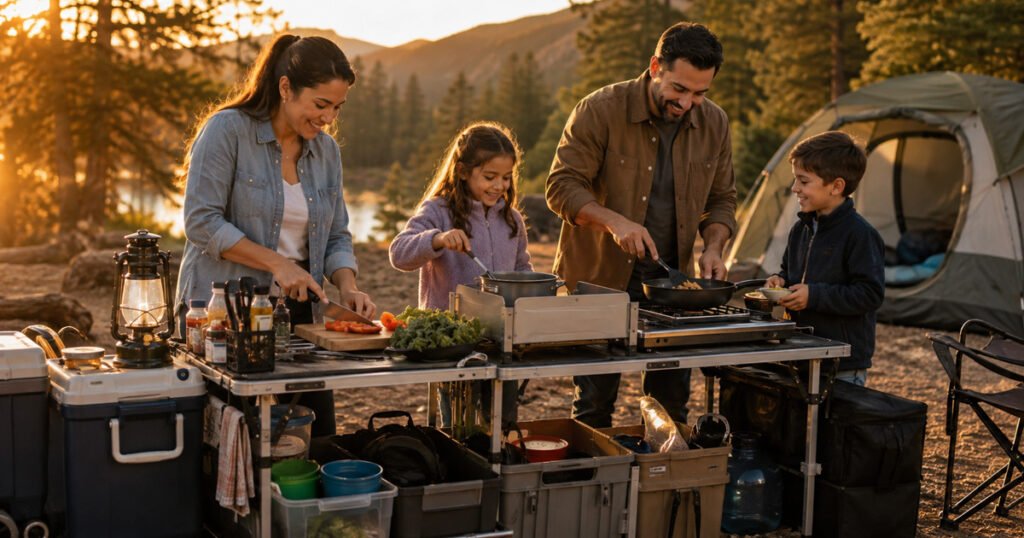
Even if the glamping structure has a full kitchen, do at least one campfire meal or s’mores session. That’s the part kids will remember. Hot dogs on sticks and roasted marshmallows are enough. You don’t need to engineer a gourmet camp dinner.
4. Go during shoulder season if you can
Late August, September, and early October are excellent for glamping in most of the US. Crowds thin out, prices drop, and the cooler evenings make campfires actually feel necessary. Summer weekends at popular sites are crowded, noisy, and booked months in advance.
5. Lower the screen expectations before you go
Tell the kids ahead of time: this is a phone-away trip. Some glamping properties have WiFi; some intentionally don’t. Either way, set the expectation early so there’s no negotiation once you arrive. Nature fills the gap faster than you’d think.
Glamping with Toddlers and Babies
Young kids actually do really well with glamping, arguably better than older kids, because they’re still at the age where everything is magical and new. The enclosed, structured space of a yurt or cabin also feels safer and more manageable than an open tent.
A few specifics for the littles:
- Bring your own pack ‘n play or travel crib if your baby or toddler needs it, glamping sites don’t provide these. Confirm ahead of time whether there’s space for one.
- Check whether the property has any standing water features (decorative ponds, streams) and scout the immediate area on arrival. Curious toddlers move fast.
- Nap schedules are easier to honor in a glamping structure than in a tent, because you can create actual darkness mid-day.
- Bedtime is usually easier too, a real bed or crib vs. the ground means less protest.
Common Mistakes to Avoid
Booking without reading the fine print. “Sleeps 4” can mean two adults and two small children on a bunk loft, or it can mean a king bed and a sofabed. Check the actual sleeping setup before booking.
Underestimating evening cold. Many first-time glampers pack for the daytime high and then freeze once the sun sets. In most of the US, evenings near trees and water drop significantly, even in summer. Pack more layers than you think you’ll need.
Booking the cheapest listing without vetting. The glamping market is full of beautiful properties and a few disappointments. Before you book, check at least 10 reviews, look for recent photos, and see if there are any comments specifically mentioning families with kids.
Not planning rainy day fallback activities. Rain happens. If the whole appeal of your glamping trip is outdoor activities and it rains for two days straight, have a backup plan, card games, books, a nearby town to explore.
Glamping as a Gateway to Camping
A lot of families use glamping as a stepping stone. They spend a year or two enjoying the outdoors without the setup stress, and then gradually move toward more traditional camping once the kids are older and more capable of helping.
If that’s your plan, glamping is a great way to figure out which parts of the outdoor experience your family actually loves. Do the kids go wild on trails? Do they love fires and night skies? Are they miserable in the cold or do they not care? You learn all of this in a glamping context without the added variables of gear failure and bad sleep.
By the time you’re ready to try tent camping, you’ll already know what your family enjoys, which gear you’ll actually use, and what everyone’s tolerance is for roughing it.
Safety at a Glamping Site
Glamping is generally low-risk compared to backcountry camping, but a few things are worth thinking through before you go.
Fire safety. If your site has a fire pit, teach kids the “three-foot circle” rule: stay at least three feet away from any open flame, and no running near the fire. Review it before you light anything.
Wildlife awareness. Depending on where you’re staying, bears, coyotes, or raccoons may be present. Store all food inside the structure at night and ask the property manager about any recent wildlife activity on arrival.
Nighttime navigation. Glamping properties can be very dark once the lights are off. Give every person their own headlamp and walk the path from your structure to the bathrooms during daylight so everyone knows the route.
Tick and bug prevention. Treat clothing with permethrin before trips in wooded areas, use bug spray, and do a full tick check every evening, especially on kids and dogs.
Frequently Asked Questions
Is glamping good for kids?
Yes, glamping is one of the best ways to introduce kids to the outdoors because it removes the barriers (bad sleep, difficult setup, weather exposure) while keeping everything that makes outdoor experiences memorable: campfires, nature, fresh air, and time away from screens.
What age is best for glamping with kids?
All ages work. Babies and toddlers actually do well with glamping because you’re staying in an enclosed, safe structure. Kids ages 5–12 tend to be the most enthusiastic. Teenagers can be hit or miss, but treehouse or premium dome glamping tends to win them over.
What’s the difference between glamping and camping?
Traditional camping involves bringing your own gear, a tent, sleeping bags, cooking equipment, and setting it all up yourself. Glamping means you stay in a pre-furnished structure (yurt, safari tent, cabin, etc.) where beds, lighting, and often a kitchen are already in place. You trade some of the “do it yourself” experience for comfort and convenience.
How much does glamping cost per night for a family?
Expect to pay $50–$120/night for budget options like state park yurts, $150–$300/night for mid-range safari tents or Airstreams, and $300–$600+/night for premium domes and luxury treehouses. Prices drop significantly during weekdays and shoulder seasons.
What should I pack for glamping with kids?
Focus on clothing (including layers for cold evenings), toiletries, food, bug spray, sunscreen, and headlamps. Most glamping properties provide bedding, towels, and basic kitchen supplies. Check the listing before packing to avoid bringing things that are already there.
Can you glamp in the rain?
Yes, that’s one of the advantages of glamping. A yurt, cabin, or dome handles rain far better than a tent. Bring rain boots and a light rain jacket for the kids, and you can still enjoy walks and campfire time during breaks in the weather.
Is glamping more expensive than a hotel?
It depends. Budget glamping at a state park can be cheaper than a hotel. Mid-range glamping is often similar in price to a modest hotel room, but with a far more memorable experience. Premium glamping costs more than most hotels, but it’s not really in the same category, you’re paying for a unique experience, not just a place to sleep.