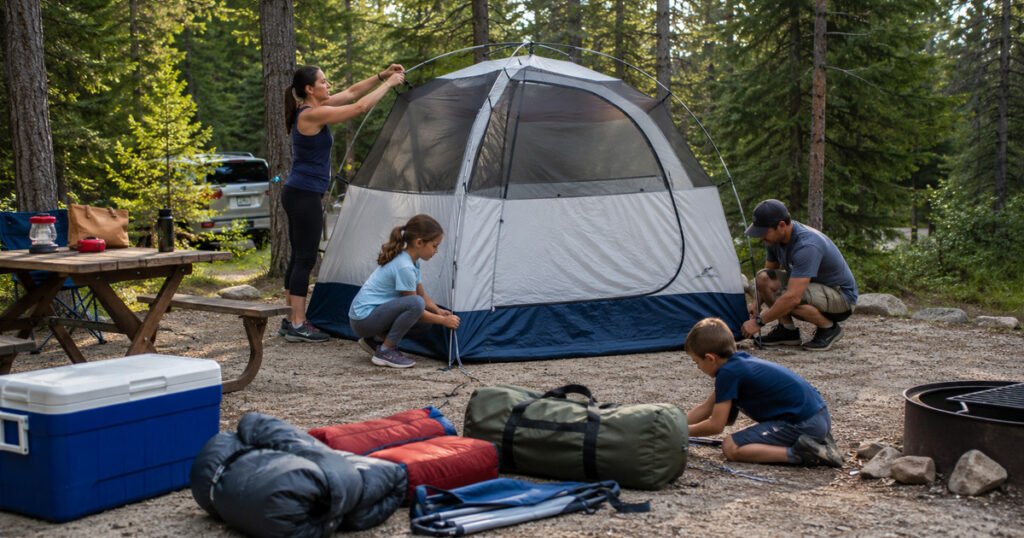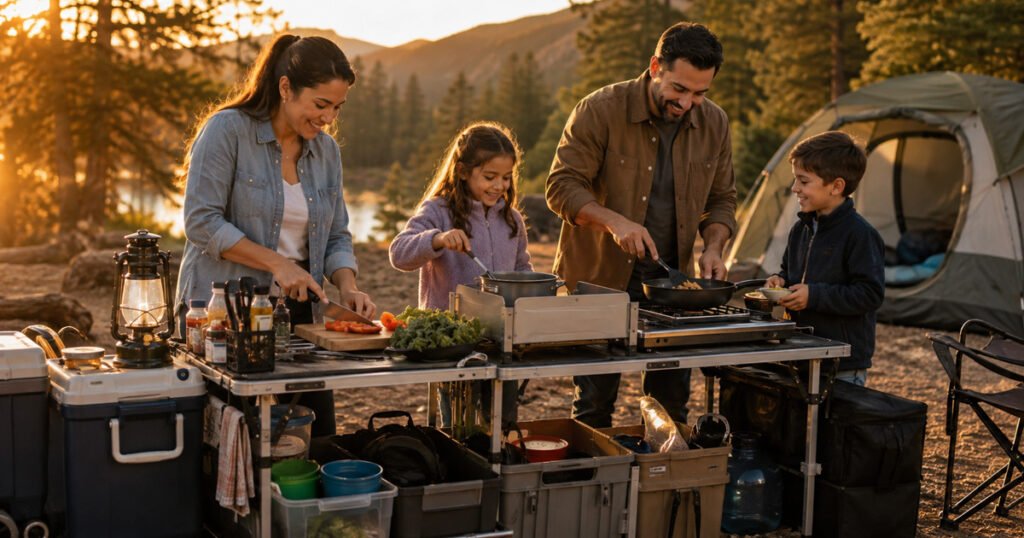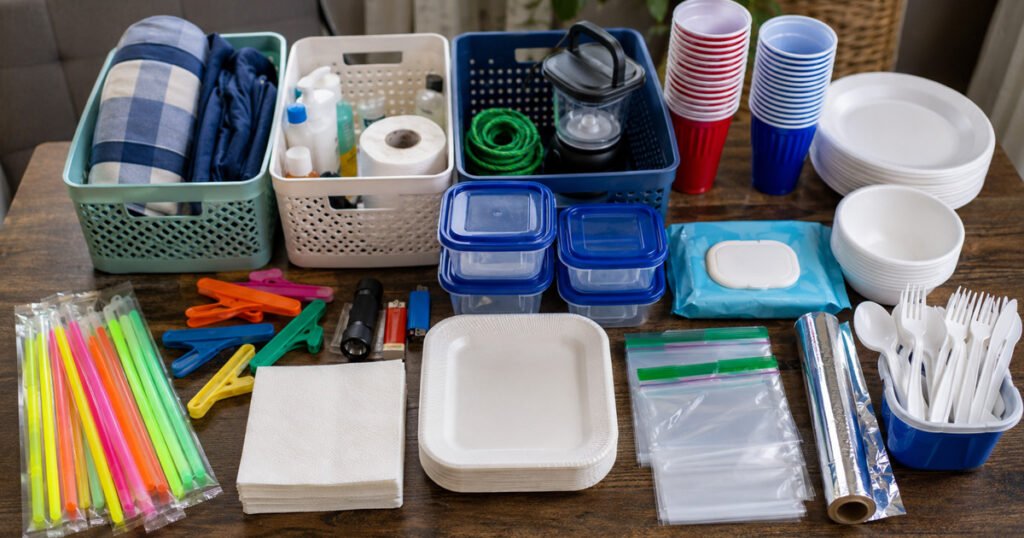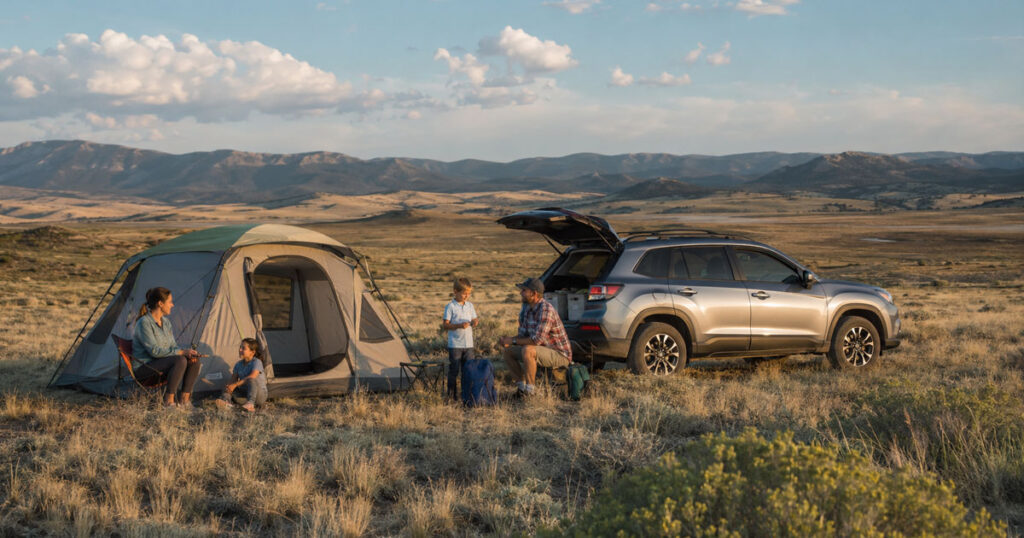
Short answer: yes, free camping is real, it’s legal, and no, it’s not a scam or a loophole. Most of it happens on public land managed by the Bureau of Land Management (BLM) or the U.S. Forest Service, where dispersed camping (setting up outside a designated campground) doesn’t cost a dime and doesn’t require a permit for a standard stay. The catch is that “free” means “no facilities.” No bathrooms, no water spigots, no picnic tables. You bring everything and you pack everything out.
We get why this sounds either too good to be true or a little sketchy the first time you hear about it. It’s neither. It’s just a different kind of camping than a paid campground with hookups and a camp store, and it’s one that can genuinely work for families, once you know which type of free camping actually fits your situation.
The 4 Types of Free (or Nearly Free) Camping
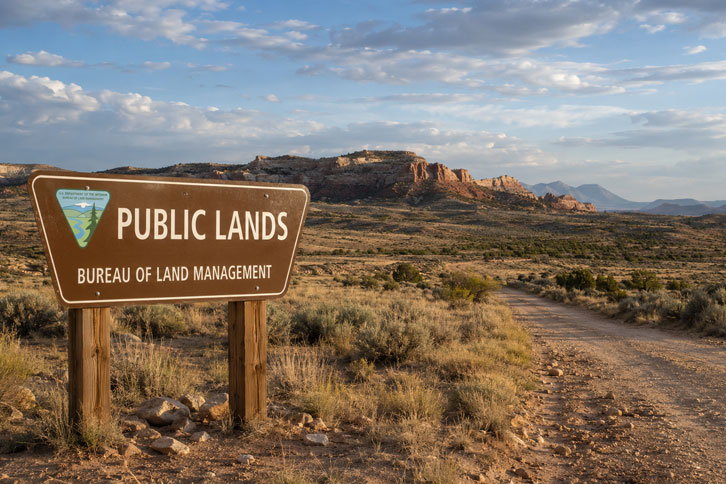
Not all “free camping” is the same thing, and mixing them up is where most confusion starts.
Dispersed camping on BLM land. This is the classic. BLM manages roughly 245 million acres, concentrated mostly in 12 western states (Nevada, Utah, Arizona, Wyoming, and similar). You can camp almost anywhere on it for free, no reservation, no permit, for up to 14 days before you’re required to move at least 25 miles away.
Dispersed camping in National Forests. Similar rules, similar setup, managed by the U.S. Forest Service instead of the BLM. National Forests exist in more states than BLM land does, so this is often the more realistic free option if you’re not out west.
Army Corps of Engineers land. Less talked about, but the Corps manages campgrounds around lakes and rivers nationwide, some free, some low-cost. These tend to have a few more amenities than pure dispersed camping (sometimes a vault toilet or boat ramp) while still being cheap or free.
Low-cost private land through Hipcamp. Not technically free, but often $10-$40 a night on private land, which is a useful middle ground between “totally rustic and free” and “crowded pay campground.” If dispersed camping feels like too big a jump for your first free-ish trip, this is the gentler on-ramp.
Is Free Camping Actually a Good Fit for Your Family?
Here’s the honest part most “free camping” guides skip. Free, dispersed camping is genuinely great for some families and a rough first experience for others. Neither is a knock on you as a camper.
If this is your family’s very first camping trip ever, we’d gently steer you toward a paid campground with a bathroom nearby first. Our first time camping with your family guide walks through what that looks like. Free camping is a fantastic move once you’ve done a trip or two and know your family’s rhythm. It’s a rough one to learn tent setup, kid meltdown management, and “no bathroom” all in the same weekend.Best Apps and Tools to Find Free Camping Near You
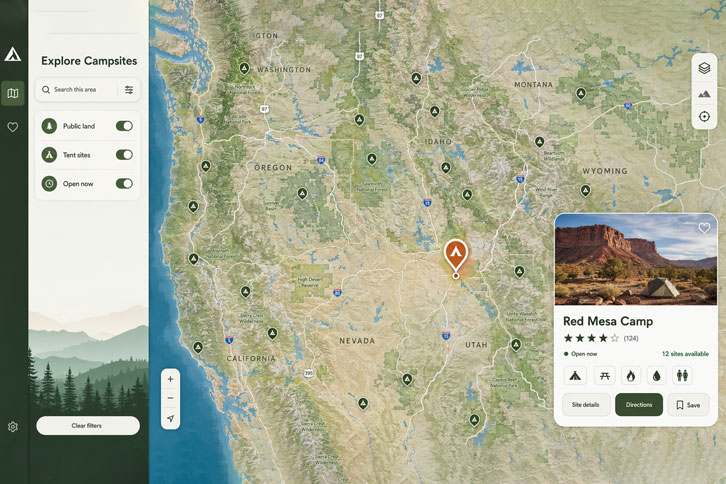
You don’t need to guess where public land starts and ends. These tools map it out, and most of them are genuinely free to use, not just “free with a paywall two taps in.”
We’d start with FreeRoam or the official BLM/Forest Service recreation map for your target area, cross-check a couple of recent reviews on iOverlander or The Dyrt, and always confirm current fire restrictions directly on the agency website before you go. Crowdsourced apps are great for finding a spot. They’re not always current on this week’s fire ban.
How to Find a Legal, Safe Spot Near You (Step by Step)
- Search “[your state] BLM dispersed camping” or “[your state] national forest dispersed camping.” This gets you the official rules and maps for your specific area, since regulations do vary by district.
- 2. Cross-check the spot on FreeRoam or iOverlander. Look for recent reviews (within the last few months), notes on road conditions, and whether previous campers mention cell signal.
- 3. Call or check the local ranger district’s website for current fire restrictions. This changes seasonally and sometimes weekly during dry summers. A quick search or phone call before you leave saves you from arriving to a total burn ban with a cooler full of food you planned to cook over a fire.
- 4. Arrive with a full tank of gas, full water containers, and a paper map or downloaded offline map. Assume zero services and zero cell signal until you confirm otherwise on-site.
- 5. Pick a spot that’s already been used before. Look for a existing flat, cleared area (often with a fire ring already there) instead of creating a new one. This is both a Leave No Trace principle and, practically, less setup work for you.
For everything else about how far off you can safely be from help, our camping safety tips for families guide covers food storage, fire safety, and what to do if something goes wrong, all of which matter more when you’re farther from a ranger station.
What to Pack Differently for Free, Dispersed Camping
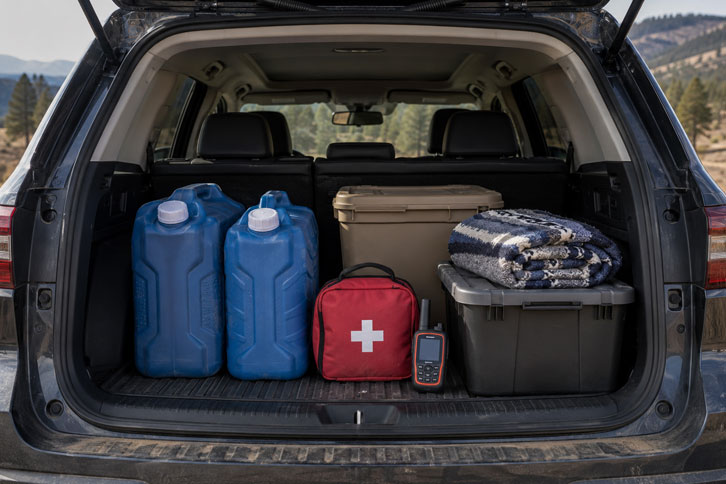
Free camping means self-sufficient camping. Everything a paid campground quietly provides, you’re now bringing yourself.
- More water than you think. No spigots. Plan on at least 1 gallon per person per day for drinking, cooking, and basic cleanup, and bring backup containers.
- A way to handle waste. Pack out all trash (no bins), and bring a portable toilet setup or know Leave No Trace human waste rules for the area, since there are no bathrooms.
- A full first aid kit. You’re farther from help than at a developed campground, so a more complete kit matters more here than anywhere else.
- A backup way to communicate. Cell service is genuinely rare at most dispersed sites. If you camp this way more than once or twice a year, a satellite communicator is worth considering. We cover the Garmin inReach Mini 2 in our camping gadgets guide, and this exact scenario (zero signal, family along) is precisely what it’s built for.
Common Mistakes First-Time Free Campers Make
Not checking fire restrictions before leaving home. Bans change fast in dry seasons. Showing up with a fire-cooked dinner plan and finding a total burn ban is avoidable with one search before you go.
Blocking a shared access road. Dispersed sites often share a single dirt road in and out. Pull far enough off it that another vehicle, or emergency services, can pass.
Camping too close to water sources. Most agencies ask you to camp at least 100-200 feet from streams, lakes, and rivers, both to protect the water and to keep wildlife trails clear.
Assuming you’ll have cell service “probably.” Plan as if you won’t. If you need to reach someone in an emergency, know your nearest town or ranger station before you lose signal, not after.
Choosing dispersed camping for your family’s actual first-ever trip. It’s not that it can’t work. It’s that you’re stacking two learning curves (camping basics plus zero amenities) at once. A paid campground first trip makes the second, free one much smoother.
Next Steps
Once you’ve got the basics down, free camping is a genuinely great way to stretch a family camping budget further and get away from crowds. A few places to go from here:
- If this is truly your first camping trip as a family, start with our first time camping with your family guide for a paid-campground-friendly version of everything above.
- Our 35 camping tips for beginners covers general logistics that apply whether you’re paying $40 a night or nothing at all.
- Review our family camping safety guide before any trip farther from help than usual.
Frequently Asked Questions
Is free camping actually legal?
Yes, on land specifically designated for dispersed camping, like most BLM and National Forest land. It’s not a loophole or a gray area. Always confirm the specific rules for your area, since some sections of public land do restrict or prohibit camping.
How long can I camp for free in one spot?
Most BLM and Forest Service land follows a 14-day limit, after which you need to move at least 25 miles away. This rarely affects a typical weekend or week-long family trip, but confirm the specific limit for your district if you’re planning a longer stay.
Is free camping safe for families with young kids?
It can be, once your family has a trip or two of camping experience already. The lack of bathrooms, water, and cell service is more to manage for a true first-time camping family. We’d recommend starting with a paid campground first, then trying dispersed camping once you know your family’s routine.
Do I need a permit for dispersed camping?
Usually no, for a standard stay under the 14-day limit. Some high-traffic areas (parts of the Coconino National Forest near Sedona, for example) have added permit systems due to overcrowding, so it’s worth a quick check for popular destinations specifically.
What’s the difference between free camping and boondocking?
They mean essentially the same thing. “Boondocking” is more common in RV and van life communities, while “dispersed camping” is the official term used by the BLM and Forest Service. Search both terms when researching an area, since content is split between the two.
Are free camping apps actually reliable?
Mostly, for finding a general area and reading recent camper reviews. They’re less reliable for real-time fire restrictions, which change faster than crowdsourced apps update. Always double-check current fire bans directly on the managing agency’s website before you leave.
Is Hipcamp considered free camping?
No, Hipcamp lists paid private land, typically $10-$40 a night. It’s not free, but it’s a useful lower-cost, lower-commitment alternative if fully unserviced dispersed camping feels like too big a first step for your family.